
On Nov. 19, 2025, the University of California (UC) Board of Regents voted 13-3 to approve the renewal of the modified Tuition Stability Plan, effectively continuing their annual tuition hike as well as implementing newly proposed changes starting in 2026-27 school year until further revision in seven years.
According to the UC, this plan, which was initially approved on July 22, 2021 and adopted in fall of 2022, is a way to make sure the tuition stays consistent and predictable for students while also providing UC campuses with revenue needed to cover the increasing cost of providing education, resources and financial aid due to inflation. This model allows the UC to increase their tuition by five percent annually for incoming students and lock the fee for up to six years.
In the renewal of the Tuition Stability Plan, three major changes have been implemented as outlined in the UC Board of Regents action item B3. The changes include “banking” of unused amount from previous years with inflation rate below five percent and apply it to future years, reduction of revenue dedicated to return-to-aid from 45% to 40% with future plan to drop it further to 33% and the 1% increase in addition to the 5% annual inflation based increase to support “capital improvements.”
According to CalMatters, the primary motive behind this change lies in the UC’s budget struggles. With frozen federal research grants from the Trump administration and the number of students which exceed what the state is funding them for, the revision allows the UC to alleviate financial burden off of them.
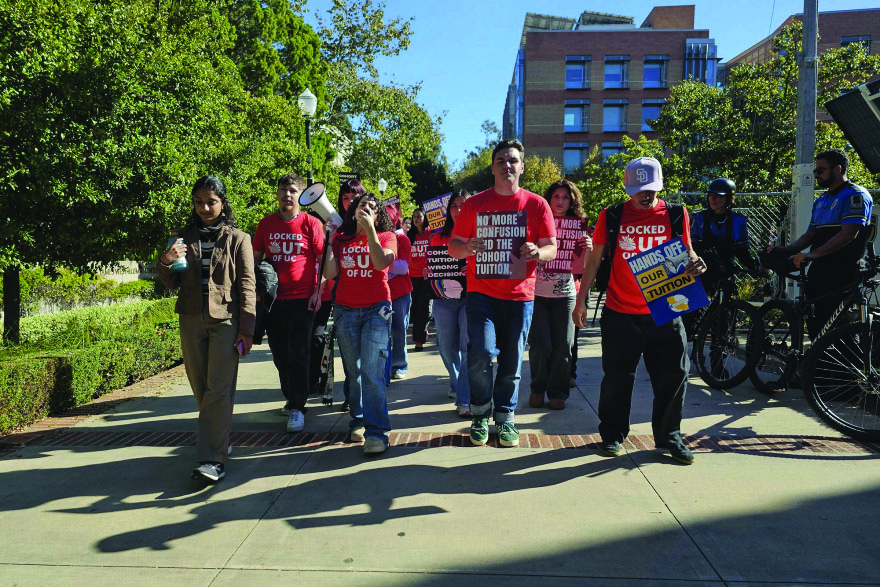
The tuition model has been faced with fierce opposition, mainly from UC Student Association (UCSA) as they’ve made multiple statements criticizing the proposal prior to its approval. In one such statement, they emphasized that such an increase in tuition and decrease in share for financial aid is “devastating and harmful” and urged the Board of Regents to reject the proposed 1% increase for capital improvements or dedicate them solely for student support as it is not appropriate to fund capital projects using tuition fees. Additionally, they organized a protest on the day of the Board meeting with slogans such as “no cuts, no fees, education should be free” and “hey hey, ho ho, tuition hikes have got to go.”
UCSA called upon UC leaders to “seek ways to empower students towards education, not shut them out from the doors of a UC.”