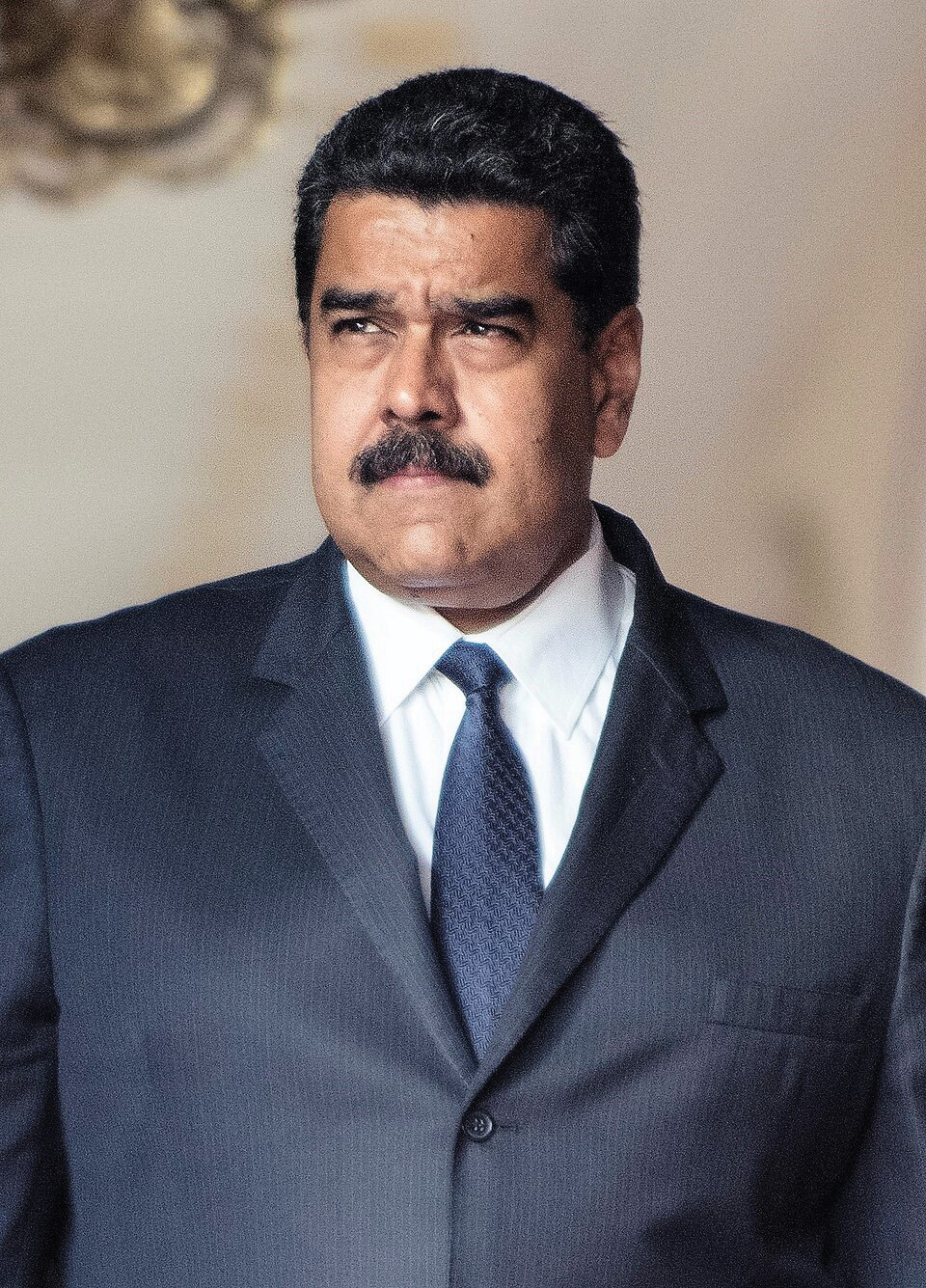
On Jan. 3, U.S. forces captured Venezuelan President Nicolás Maduro in a special military operation that removed the longtime leader from power and flew him out to Brooklyn’s Metropolitan Detention Center in New York.
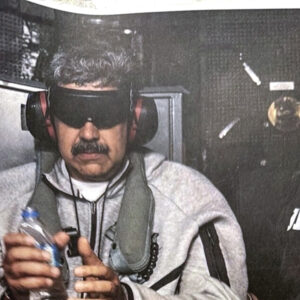
Speaking from his residence in Mar-a-Lago hours after the operation, President Donald Trump said the mission was authorized overnight after months of planning by U.S. military and intelligence agencies. He said Maduro and his wife, Cilia Flores, were taken into U.S. custody and transported by helicopter to a U.S. warship, with plans to bring Maduro to New York to face charges.
The operation included strikes near military installations, according to Venezuelan officials and residents who reported explosions and low-flying aircraft. Venezuela’s vice president, Delcy Rodríguez, said civilians and members of the military were killed, a claim U.S. officials did not immediately confirm. Trump said several U.S. service members were injured, but none were killed.
Gen. Dan Caine, chairman of the Joint Chiefs of Staff, said U.S. forces rehearsed for months and waited for a narrow weather window to execute the mission, which he described as lasting less than 30 minutes. Defense Secretary Pete Hegseth called it a joint military and law enforcement action.
Venezuelan state television aired a statement from Maduro’s Vice President Delcy Rodríguez, who condemned the operation and demanded Maduro’s release, claiming that “there is only one president in Venezuela, and his name is Nicolas Maduro Moros.” Under Venezuela’s constitution, articles 233 and 234 have led the Supreme Court to grant full power to now-President Rodríguez, who assumed power only a few hours after the operation. However, Trump said the United States would “direct the path forward” and help oversee a stable transition.
“We’re going to make sure that country is run properly,” Trump said, leaving open the possibility of a continuous U.S. military presence in the area. “We’re not afraid of boots on the ground if we have to.”
The White House offered very few details about the legal basis for the operation or how long the United States will remain involved with the Venezuelan government. The Trump Administration has previously accused Maduro’s government of ties to drug trafficking and other crimes, allegations Venezuela has denied.
This special operation followed months of increasing U.S. military activity in the region. Since September, U.S. forces have conducted strikes against boats the administration claims were linked to drug trafficking networks operating near Venezuela. In late December, Trump said a U.S. strike hit a coastal facility used to load suspected drug shipments, marking the first acknowledged U.S. action on Venezuelan soil in years.
Satellite imagery released on the afternoon of Jan. 3 showed damage near military installations in the capital. U.S. officials said one helicopter came under fire but returned safely.
International reaction was mixed. Some U.S. allies urged restraint and called for clarity on the legal justification and civilian impact, while others expressed concern about regional stability. Heavy criticism from current American politicians, such as former Vice President Kamala Harris, questioned whether Congress had been adequately consulted. She warned that the operation could entangle the United States in a prolonged conflict that could negatively impact everyday Americans.
Trump defended the move, saying the risks were understood. “This is an attack that could have gone very, very badly,” he said. “But we did what we had to do.”
The administration has not outlined a detailed plan for Venezuela. During Trump’s latest address, he claimed that only a team including the defense secretary, the Joint Chiefs chairman, and the secretary of state would work with Venezuelans to organize a transition, saying that elections would be held once conditions allow.
Maduro, who has led Venezuela since 2013, has weathered years of economic collapse, international sanctions, and political unrest. The U.S. and several other countries previously recognized opposition leaders as Venezuela’s legitimate representatives, though Maduro retained control of the military and state institutions.
President Trump said the U.S. would rely on Venezuela’s oil wealth to finance its involvement in the country, arguing that U.S. oil companies would invest billions to repair infrastructure and generate revenue.
He claimed the effort would not cost American taxpayers and said oil profits would benefit both Venezuelans and the U.S. economy. Trump emphasized the scale of Venezuela’s natural resources as central to his plan.
President Rodríguez strongly rejected these claims, accusing the Trump Administration of pursuing regime change for the sole purpose of seizing the country’s oil and minerals.