
**Spoilers Ahead**
From “El Camino: A Breaking Bad Story” to “Twin Peaks: Fire Walk with Me” to “Ed Edd & Eddy’s Big Picture Show,” there are few examples of a television show ending in a film to be concise and satisfying.
The switch between mediums typically allow for a grander scope in terms of storytelling and cinematography. Whereas most TV shows would rather be discontinued and fade into irrelevance, the conclusion of these series through film gives fans a proper chance to say goodbye to their favorite characters. Fans of “Peaky Blinders,” arguably one of the most influential shows of the past decade, have been given that very privilege with a film titled “Peaky Blinders: The Immortal Man.” The film serves a poignant farewell of TV’s most recent and riveting protagonists, albeit not without a bang.
Set in 1940s Birmingham amidst the Blitz, the film follows Thomas Shelby, played by Cillian Murphy, as he grapples with the legacy he’s left behind as the former leader of the Peaky Blinders gang. He is called back into action when his son Duke, played by Barry Keoghan, recklessly leads the Peaky Blinders while collaborating with the Nazis in a conspiracy to inflate and cripple the British economy via the distribution of counterfeit money.
Despite trading the show’s traditional period crime drama genre for a more conventional war thriller, the film nonetheless captures the essence of what made “Peaky Blinders” so great. Along with anachronistic yet bombastic needledrops and bouts of gung-ho action, the film stays true to the original series’ goal of portraying ambivalent characters fighting for power in a time of social and political upheaval.
Even while being in the dead center of a world war, Birmingham’s criminal underworld goes on with business as usual. The film manages to balance out crime and war aspects all while concurrently telling a broader story about family.
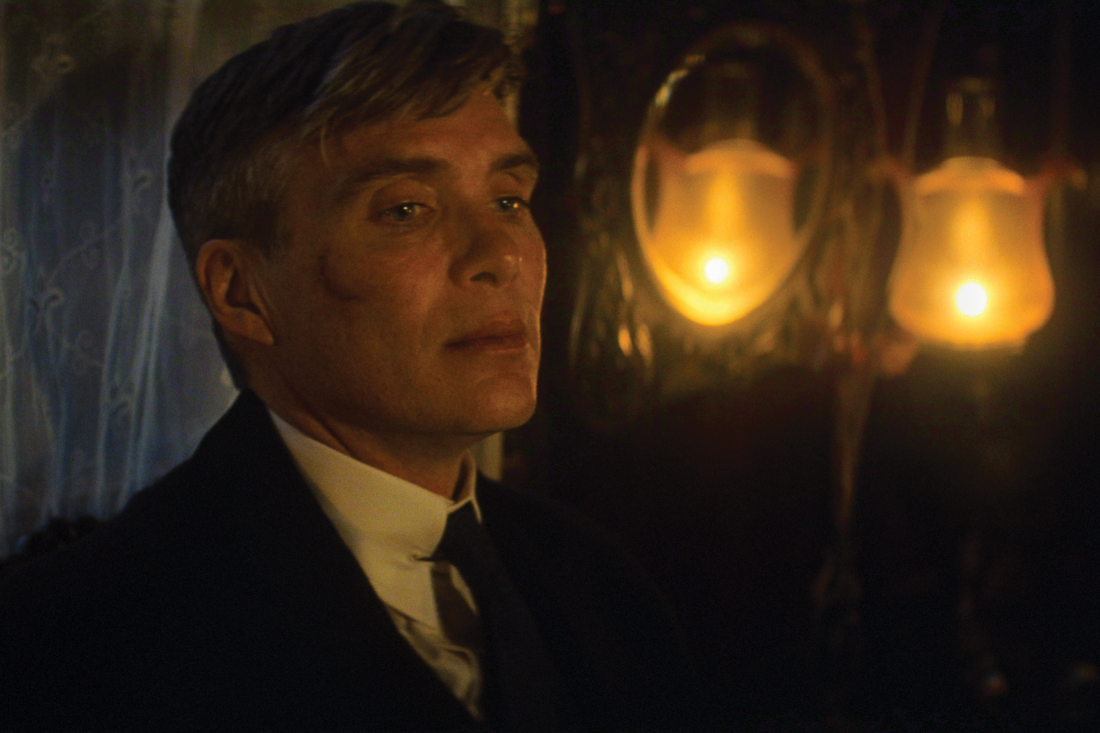
Cillian Murphy, in one of his more recent and compelling performances since “Oppenheimer,” vehemently portrays Thomas at his most damaged and melancholic. A far cry from the stoic and calculating character fans of the series were familiar with, Thomas’ guilt from his past actions, both before and during his time with the Peaky Blinders, is laid bare for all to see.
“Peaky Blinders: The Immortal Man” displays an emotional, human side to Thomas that’s almost hard not to sympathize with. Barry Keoghan does an equally grand job of portraying the morally ambiguous Duke Shelby. Keoghan particularly excels when it comes to underscoring Duke’s desire for attention and love from his family members — feelings that ultimately lead him to be exploited by the Nazis.
If there’s any aspect within “Peaky Blinders: The Immortal Man” that deserves the most praise, it definitely has to be the cinematography. Despite being set almost a decade after the conclusion of the series, the film does a superb job of displaying Birmingham in all of its grimy, industrial glory as originally portrayed within the show. From dilapidated buildings attributed to German bombardment of the city to the mix of horses and cars for transportation, signs of modernity accustomed with the ‘40s are all but nonexistent.
The film particularly shines, both metaphorically and literally, during its nighttime scenes depicting the bombing of the city. With orange hues from explosions being the only source of illumination across the industrial landscape, the cinematography captures a hell-on-earth environment similar to the famous bridge scene from “Apocalypse Now.”
While the film manages to wrap up Thomas Shelby’s saga in a somewhat satisfying way, certain decisions made regarding the fates of certain characters seem to be predictable and forced. The movie particularly mentions the passing of Arthur, Thomas Shelby’s older brother. The fact that Arthur was murdered by Thomas in a fit of blind rage seems to be somewhat out-of-character even for his standards.
With Thomas being guilty about his involvement in the death of his brother being a major plot point, the film eerily evokes the same narrative as “The Godfather Part III.” Despite Thomas’ demise in the film practically being a given, the manner in which he dies seems to be somewhat melodramatic and preventable. Although one may argue that the way he goes out is meant to symbolize his acceptance of mortality and fate running its course, concepts that have been brought up throughout the course of the film, his blaze of glory feels lackluster nonetheless.
Verdict: All in all, “Peaky Blinders: The Immortal Man” serves as a solid send-off to one of the greatest series of the 2010s, as well as one of TV’s most compelling characters. Despite being fast-paced and rough when it comes to certain character decisions, the film makes up for it with gorgeous cinematography and awesome moments depicting Tommy’s last hurrah, even dropping hints at what’s to come with the franchise. Although Thomas’ story has ended, one could figure that the story of “The Peaky Blinders” isn’t over yet.