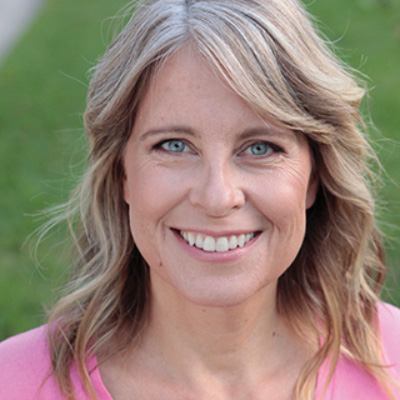
Susan Zieger has taught at the University of California, Riverside (UCR) since 2003, and throughout her time here, she has explored the different ways our world today has been formed through the ambitions and innovations of others.
Zieger started off as an English major during her time as an undergraduate at UC Berkeley. She pursued her doctoral degree shortly after at Stanford University, wanting to enjoy student life a bit more, and there, she realized her love of academia and decided then and there that she wanted to be a professor in English. After earning her degree, she came to UCR in 2003 and has been teaching here since.
Much of Zieger’s early work focuses on media in the 19th century and how that has shaped our modern day society. She explains that while studying her specialization in graduate school, she was “really drawn to the 19th century” and that she “felt that so much of the present owed itself to what had happened then.”
She explored how print media in spheres such as the temperance movement has impacted social movements and perceptions of drinking. In her recent work however she has shifted away from classical literature and more into hands-on research.
In her newest book “Logistics and Power: Supply Chains from Slavery to Space,” she explores the history of logistics, which she defines as the ability to efficiently move goods, people and information from point to point to optimize capital. Zieger starts as early as the Atlantic Slave Trade, emphasizing the cost of treating human beings as numbers and the modern day environmental costs of a increasingly globalized market.
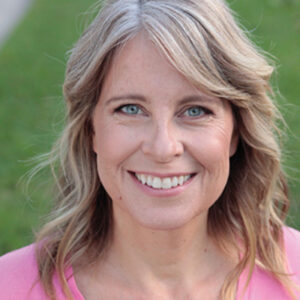
She shares, “I’m part of a whole host of really fantastic scholars at UCR who study logistics critically, not the practice of it. What are the human and environmental costs of it? I sort of situate myself in this area, and this has influenced the entire project, but I’m also expanding it to write an entire history of logistics.”
She even covers topics such as the idea of space becoming a commercial and militarized zone and how logistics would allow that to become a reality. The Inland Empire is no stranger to this sort of transportation of goods as a great deal of California’s manufacturing and shipping industry occurs in Riverside itself. Zieger interviewed students working in Amazon warehouses, who described harsh labor conditions, and examined why shipping operations are concentrated in Riverside rather than somewhere else in the Inland Empire, such as San Bernardino.
When she’s not doing intensive research on the logistics industry, Zieger can be found teaching classes. Currently, as a professor of English, she is teaching “Intro to Genre and Literatures of the British Empire.”
In her classes however, Zieger encourages students to engage with each other in conversation by switching back to text-based reading, “For example, this quarter I’m restricting devices in my classes. I thought people were going to push back against that and try to get their laptops out. And nobody has, and so I hope they’re feeling the same energy that I’m feeling, like we’re just there together now.”
Zieger continues to want to deepen her connections with colleagues, students and her community and serve the people around her.