
**This Review Contains Spoilers**
When it comes to successful media based on video games, one film that barely clears among the likes of decent-to-exceptional adaptations such as “The Last of Us” and “Arcane” undoubtedly has to be the 2021 adaptation of “Mortal Kombat.” Despite its straightforward premise, “Mortal Kombat” managed to capture the essence of the original video games, both in terms of brutality and campiness.
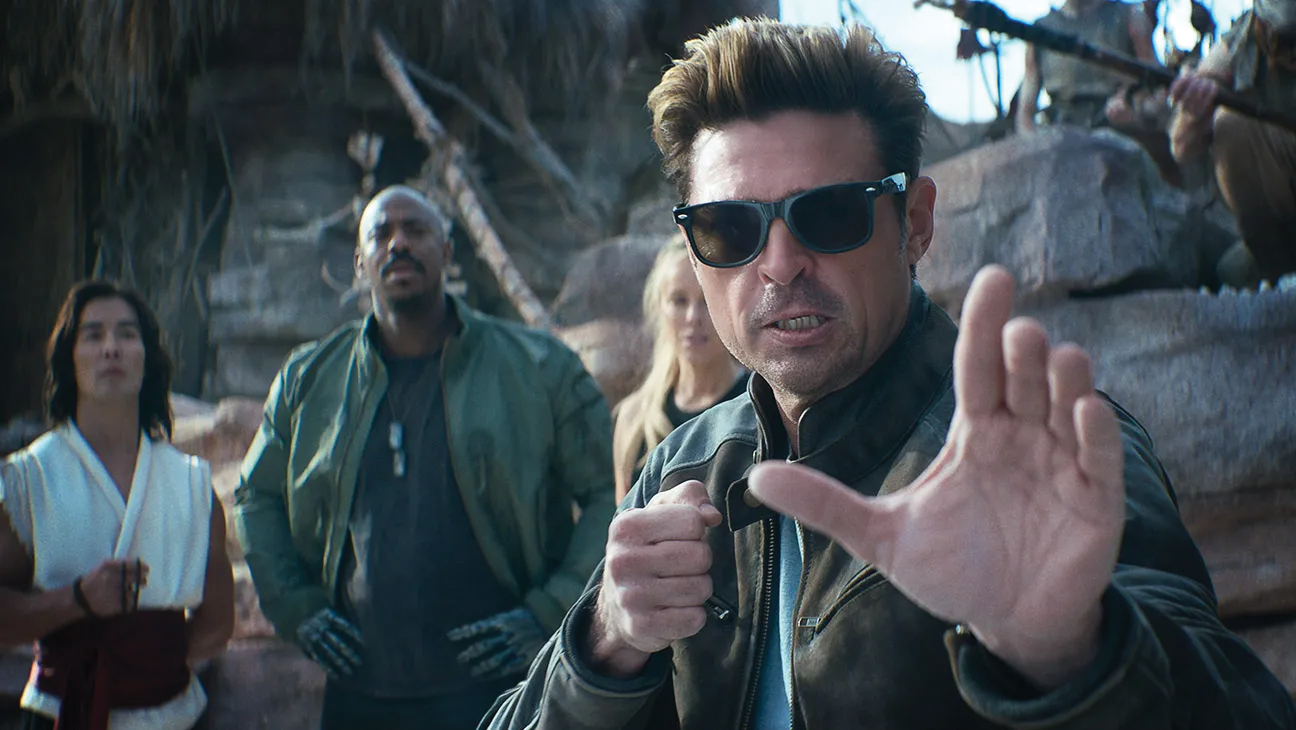
As with all moderate-to-successful films based on popular franchises, “Mortal Kombat” followed up with a second film now centered around two of the game’s most popular characters: Johnny Cage and Kitana. Alas, the sequel, albeit unwavering in its depiction of bloody and glorious battles as well as bits of comedy here and there, fails to expand its story past the simple premise of being a tournament for the fate of Earth all the while not making full use of its new characters.
“Mortal Kombat II” holds no punches when it comes to killing off some of its main characters. While some of these characters will undoubtedly be resurrected one way or another in future installments, the demise of some of the main characters are still shocking nonetheless. “Mortal Kombat II” knows what it wants to be, placing goofiness and brutal action sequences above everything else.
Despite sacrificing a cohesive and detailed plot, it’s somewhat admirable to know that the film is dedicated to the entertainment of the audience, although bloodlust seems to be the more accurate term. The over-the-top fight scenes and finishers do justice to the original games when it comes to replicating its cheesiness.
One of the movie’s greatest flaws has to be the lack of character exposition. Despite taking up half of the screentime, it seems as if “Mortal Kombat 1,” the game, somehow fleshes out Johnny’s character more than the actual movie. Although Kitana, the film’s other main focus, had somewhat of a straightforward revenge-driven backstory, it’s not to say that some elements of her life could’ve been expanded on either.
Some of these potential details could include her training under Shao Khan as well as how her friendship with Jade, her bodyguard, came to be. Given that the film barely hits a two hour runtime, a bit of backdrop on the stories of some of these characters could’ve made somewhat of a substantial difference.
Additionally, another fatal flaw has to do with the overreliance of fan service. Baraka, despite being a memorable character within the video game franchise, serves no purpose other than being a comedic relief. The scene in which he actually helps Earthrealm’s heroes lasts no more than five minutes, while being nothing more menial than showing them an underground passageway. Kano, one of the killed-off antagonists from the previous film, also shares a similar role as a mere comedic foil to Johnny Cage. The most infuriating aspect regarding the film’s overreliance of references has to do with the resurrection of Sub-Zero as the undead wraith known to fans of the series as Noob Saibot. His return from the dead is nothing more than to serve as a rematch against Scorpion, which happens to be short and lackluster if anything.
The film unfortunately leans into the whole “anything’s possible if one just believes” trope, which is especially off-putting for such a consistently confident man like Johnny Cage. Although it’s not to say that this trope could’ve been pulled off to great effect, Johnny’s transformation is unfortunately overshadowed by many of the other character’s arcs as well as the overall tournament itself. The movie doesn’t quite take full advantage of its R-rating, especially when it comes to some of its fight scenes as well as overall humor. Many of the jokes and quips feel more like Marvel humor sprinkled in with a few curse words.
“Mortal Kombat II,” just like all of the older games, is unapologetically cheesy. Keeping all of the references from Scorpion’s iconic “get over here!” to the use of familiar tracks like “Techno Syndrome” as well as its overall ‘90s-esque presentation, the film discernibly prioritizes the veterans of the original “Mortal Kombat” games. Those more familiar with more recent video game titles such as “Mortal Kombat 11” and “Mortal Kombat 1” are more at risk of alienation as the film is obviously focused on displaying itself as a nostalgia trip for older gamers.
Despite evidently lacking detailed worldbuilding and character development, “Mortal Kombat II” manages to strike again as one of the most faithful and somewhat engaging video game adaptations out there. If not for the plot, audiences can at least find some comfort, or discomfort depending on how squeamish they are, in its visceral fight scenes and occasionally cringy humor.
Verdict: Though failing to improve on the first film, “Mortal Kombat II” remains as a ripe film for those looking to switch their brains off and revel in chaotic and bloody spectacles. Those looking for a more sophisticated and compelling plot would be better off getting brutalized by Johnny Cage himself.