The breaking news of the Cornell University rape case has brought the subject of college rape back into public domain. One in five female college students are raped during their college years and one in three American women have been raped. Such large numbers call for proportional survivor support yet the actuality of campus survivor resources concludes failing. UCR emphasizes the plethora of resources available for survivors of sexual violence and yet there is an irony in the resources UCR chooses to amplify versus how they’re received by survivors.
A May 2026 study on California college’s survivor resources conducted by UCLA Survivors and Allies organization found that only 17% percent of survivors went to campus resources with qualitative evidence suggesting that distrust and disillusionment are responsible, as is a frequent lack of awareness about resources available. Their comparative evaluation of available resources versus survivors’ experiences with them presents a jarring trend where the most trusted resources were the least institutionally supported and had little student awareness of them. Meanwhile the resources with the least trust were the most marketed and structurally upheld.
Despite Title IX being seen as the ‘go to’ resource for survivors, only 22% of complainants found them helpful while over 54% found it unhelpful and even harmful, citing year long investigation timelines and retraumatization in the investigative process, with case dismissal being the most common response from the office. A discrepancy between how the university defines rape versus Title IX propells such exclusion. In the yearly SHAPE training sexual coercion is emphasized as rape as the majority of assaults are done with coercion. Yet the Title IX definition of rape is rigid and outdated making many cases qualifications impossible and thus cannot bring justice nor aid to the victim.
Meanwhile resources like CARE and CAPS were rated the most helpful with high levels of survivors trust in them. But inadequate institutional support limits these resources’ capacities. CARE was ranked the most trusted with a score of 3.7/4 yet remains severely underfunded, understaffed, and underrecognized. Currently UCRs CARE only has three trained advocates due to lack of institutional support, despite their advocates receiving almost entirely positive feedback. Their offices underfunding inevitably results in long wait times and limited staff capacity. CAPS receives better university treatment, but their shortcomings lie in a lack of expertise. Many survivors reported being turned down by CAPS because their needs were too extensive or outside their expertise. Additionally, the combination of long wait times and the restriction to only a handful of therapy/counselor sessions per UC policy has yielded this resource insufficient.
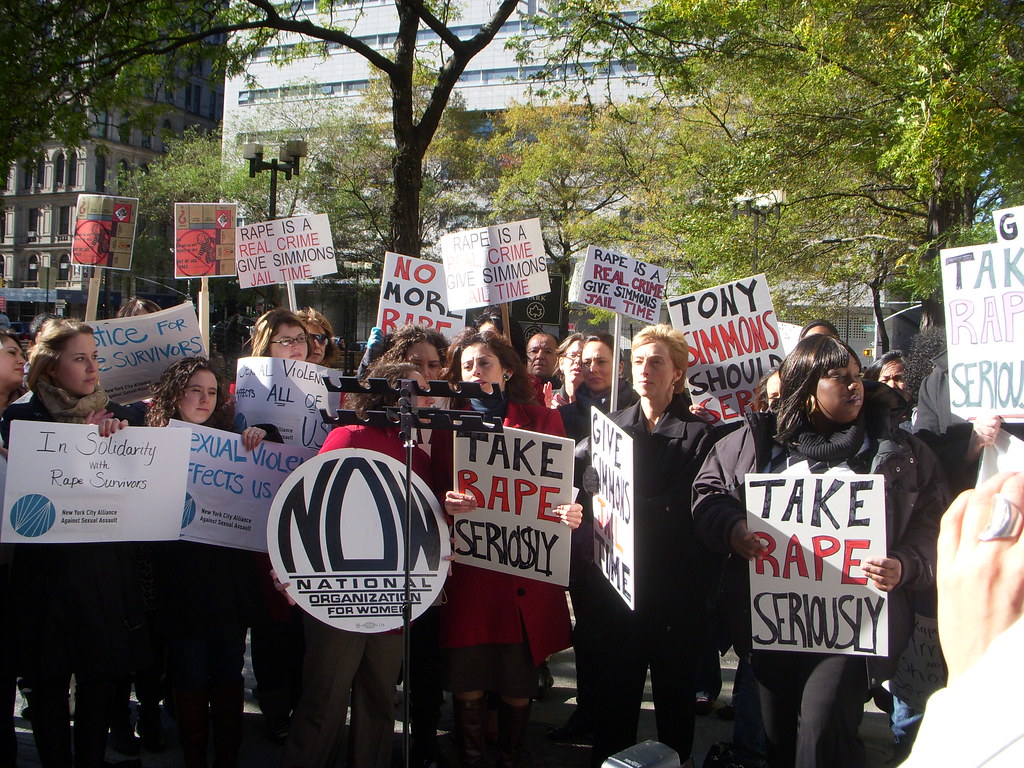
The number one rated approach to survivors care however is in community and peer support. Half of survivors in the study had reached out to a friend or peer for support. Their findings concluded that peer support networks were critical for survivors’ healing. The report calls for centering trained advocates and a survivors health centered approach by institutions. And yet UCR continues to deny adequate treatment and care for survivors. When the resources that help survivors the most are the least supported while the resources that continue to significantly fail survivors are strongly backed, we must question the legitimacy of institutional support and turn to community solidarity and care.