Horror has made a remarkable comeback this year with its insanely massive variety lineup in theaters and streaming services. From the global sensation of “Obsession” to the widely praised “Resident Evil” reboot to the current streaming hit “Crystal Lake,” horror has dominated conversations and proved how the genre can push beyond the limitations through its boldness in narrative and cinematographic executions. Choosing to take risks allowed the genre to rebuild and revitalize once again by delivering a multitude of generational hits.
Let’s take a step back and observe how this resurgence is a reflection of one that happened 30 years ago and how one single film pioneered a revolutionary revival of the genre.
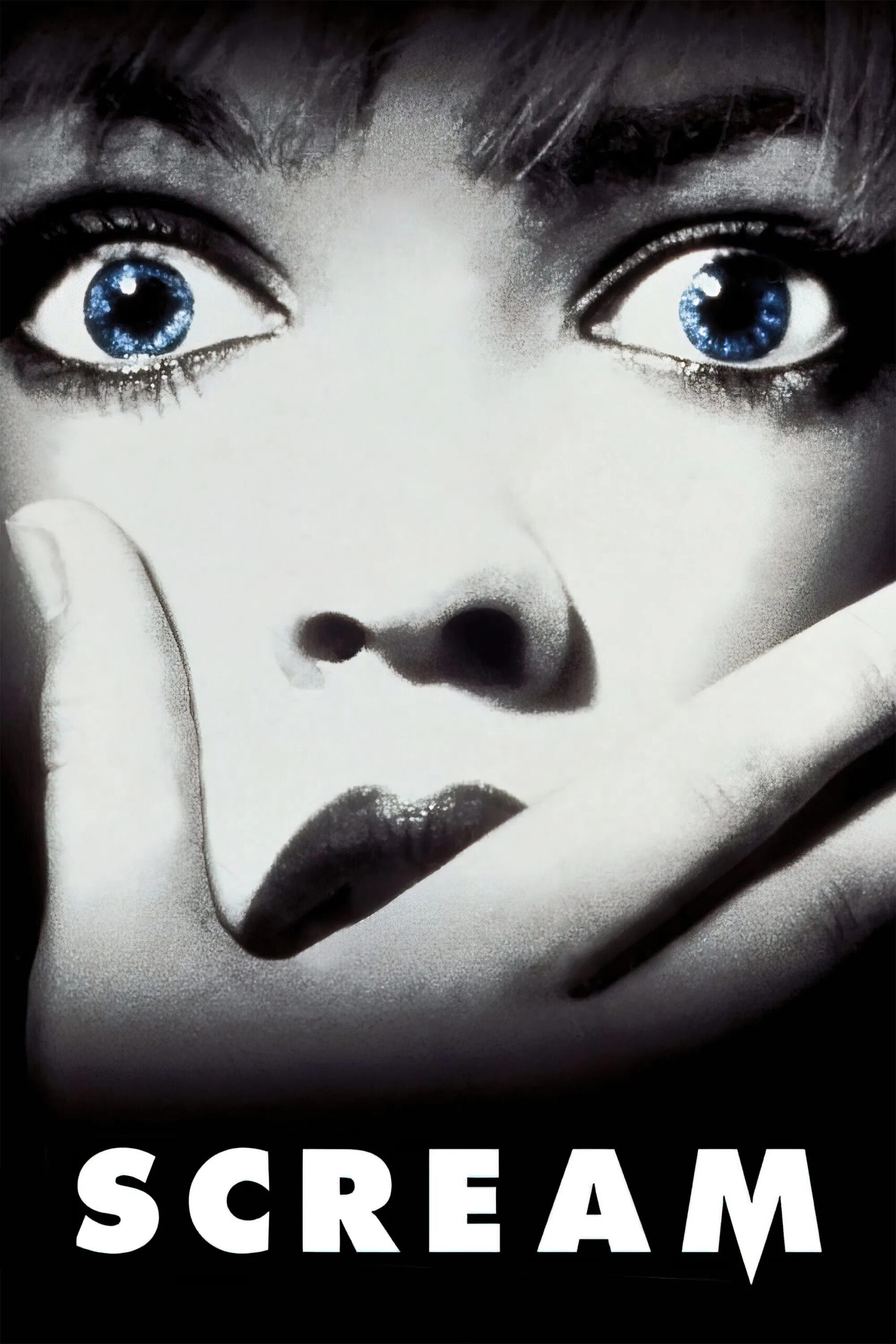
Directed by Wes Craven, “Scream” takes audiences through a metafictional journey of pop culture references following the events happening to an archetype friend group. With a masked killer on the loose who uses horror tropes in means of his attacks, the group must put their horror knowledge to the test if they want to survive his self-made scary movie.
Looking through the history of horror, one can see a correlation between audiences today and in the past. Both of them suffered from cinema fatigue. Viewers today have experienced a lack of creativity and originality with the storytelling and executions because films weren’t pushing beyond the boundaries of what can be accomplished as corporations feared risk-taking might mean potential loss. The 90s also felt a similar sentiment known as horror fatigue. Oversaturation of legacy films like “Halloween” and “Friday the 13th” were tiring audiences. Horror mascots went from nightmare-inducing to commercialized figures. These modifications not only resulted in negative receptions, but a loss of respect for the genre.
The established financial assumption for horror can be very comparable between the two eras. Horror is profitable. Stephen Follows and Bruce Nash explained how the relatively low budget needed for producing these movies signal to producers of a potential profit, although it’s very risky. A film’s success is truly unpredictable before premiering, so studios are cautious on which projects to greenlight in fear of a major loss. It’s a reason why studios may deliberately choose to continue pushing for sequels and franchises. There’s an underlying belief that brand association will safely gather an audience.
However, it’s important to note that not all sequels and reboots are bad, some even become incredibly successful or surpass the original. Yet, it does create a craving for something more.
The industry had to change in order to stay relevant and afloat. The major question: how do we do this?
The answer: change the formula.
“Scream” was a massive unexpected hit that caused a cultural reset in the 90s because it changed the formula. It became one of 1996’s highest grossing films at $173M. Similarly, this year brought a revival to not only horror, but to cinemas by restoring excitement and engagement. Its domination at the box office roughly accounts for $1.3B of the $8.2B acquisition this year alone.
“Scream” introduced a change in horror through its self-awareness and self-mockery of the genre. It disrupted the classic horror formula with its humorous parody of clichés and tropes while still maintaining suspense through the fear that no one’s safe. The characters are aware they’re in a movie, they know the rules and yet they still break them. The game of whodunit allowed for engagement with its comedic murder mystery, and all the red herrings and twists thrown around made for a refreshing take on horror with the risks it took in a declining genre.
Its success allowed for progression and a revamp to happen. Horror found a new identity. Originality, creative risks and experimentation returned to screens through later releases like “The Sixth Sense” and “Saw” and gained positive appraisal. Studios are now more willing to take these approaches because of the demand and support for them. Films released this year such as “Send Help” and “Leviticus” have found success because they were leaps of faith that went against the status quo to provide a contemporary take on horror.
Casting is another parallel. “Scream” and modern films like “Obsession” introduced more niche casts to the big screen. Choosing this approach not only elevated the cast and the films to stardom, but viewers had the opportunity to absorb new faces and talents within a mainstream world.
However, “Scream” would fall under corporate pressure. The push for sequels made the film lose its momentum and value it once embodied with its conversion into a marketable figure. Yet, its impact still lingers on. Later films would use the foundations it set to progress the genre and evolve its capabilities.
“Scream” is a legacy film that paved the way for risks and innovations to emerge after its release. It’s the fundamental basis of how horror managed to change. Through its daring choices, it’s become an everlasting influence that pushes forth a new golden age of horror to emerge for people today.