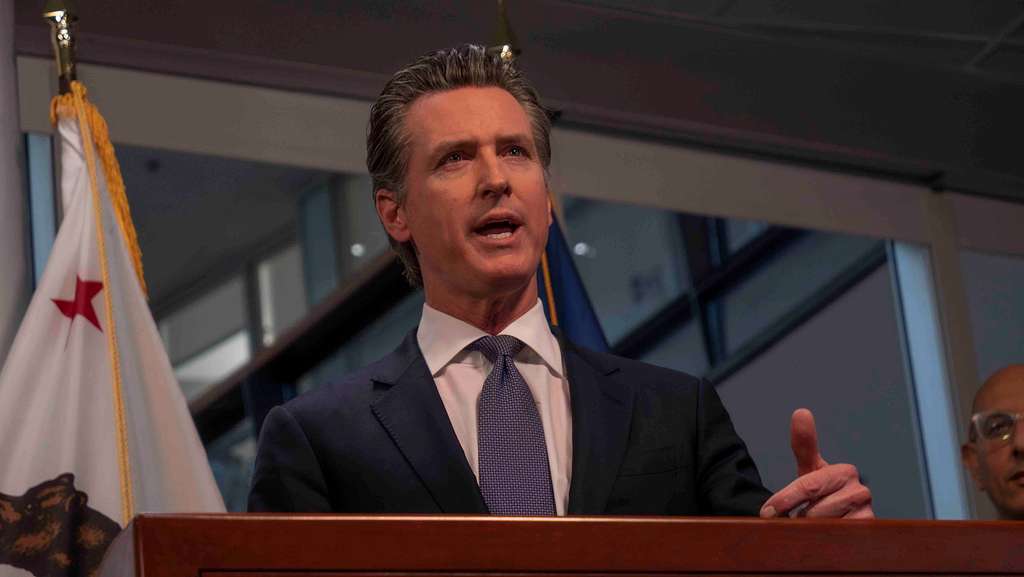
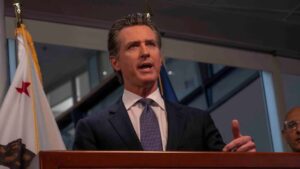
On Jan. 8, 2025, California’s Governor Gavin Newsom delivered his final State of Address, where he labeled California as being a leading state in manufacturing, agriculture, education and technology.
In his speech, he reported a 9% drop in the state’s unsheltered homeless people, a contrast to the 18.1% increase in homelessness seen nationwide, to which Newsom proclaimed these statistics are evidence that “our investments are paying off.”
Newsom highlighted California’s advancements in health care, including efforts to make insulin more affordable by pricing each dose at the low-cost of $11, raising the minimum wage for health care workers to $25 an hour and lowering the uninsured rate to a mere 6.4%, which is reportedly “one of the lowest in the nation.”
Among his noted achievements is his expansion of California’s Universal Prekindergarten initiative, which provides all four-year-old students with the opportunity to attend preschool, an educational opportunity that has proven to result in alumni being “12 percent less likely to live in poverty as adults and 29 percent less likely to receive public assistance.”
Notably, Newsom also utilized his speech as an opportunity to express his discontent with the federal government’s overreach seen throughout President Donald Trump’s second term. He states, “The federal government is unrecognizable, protecting the powerful, at the expense of the vulnerable. Their credo is fear — fear of the future, fear of the stranger, fear of change.” Here, Newsom references the intense immigration raids going on nationwide, as well as the Trump administration’s. He continues by emphasizing that California is not “hunkering down” and is instead a “policy blueprint for others to follow.”
Despite the reported progress, the Legislative Analyst’s Office (LAO) released California’s Fiscal Outlook for 2026-2027 and estimated an “almost $18 billion budget problem,” and is encouraging “achievable spending reductions and/or revenue increase.” LAO theorizes that this is “being driven by enthusiasm around AI, which has pushed the stock market to record highs and boosted compensation among the state’s tech workers.”
While Newsom did not address how this deficit would impact the state, he did report that the state received “revenues that are $42.3 billion higher than forecasted last year” to which he attributes as being a result of the increasing population and economy. This figure was later clarified as being allocated for a three-year-period.
While Democratic lawmakers remain “cautiously optimistic” regarding Newsom’s budget, progressives report they plan on continuing their push for “new taxes to backfill expected federal health care cuts.” This would include Assemblymember Jasmeet Bains remaining with questions regarding Newsom’s plan to address health care disparities, and she emphasized that there are “a lot of questions that need to be answered.”
Newsom has previously expressed his interest in running as a presidential candidate once Trump’s presidential term expires in 2029, and his speech shines his leadership as governor in an effective and positive light, setting the stage for his future campaign.
In all, Newsom’s speech highlighted the progressive advancements the state of California has achieved while under his leadership, but did not mention the $18 billion dollar deficit the state is experiencing as a reported increased investment in Artificial Intelligence, which resulted in the stock market increasing to “record highs” and which in turn led to increased compensation for California’s tech employees.