
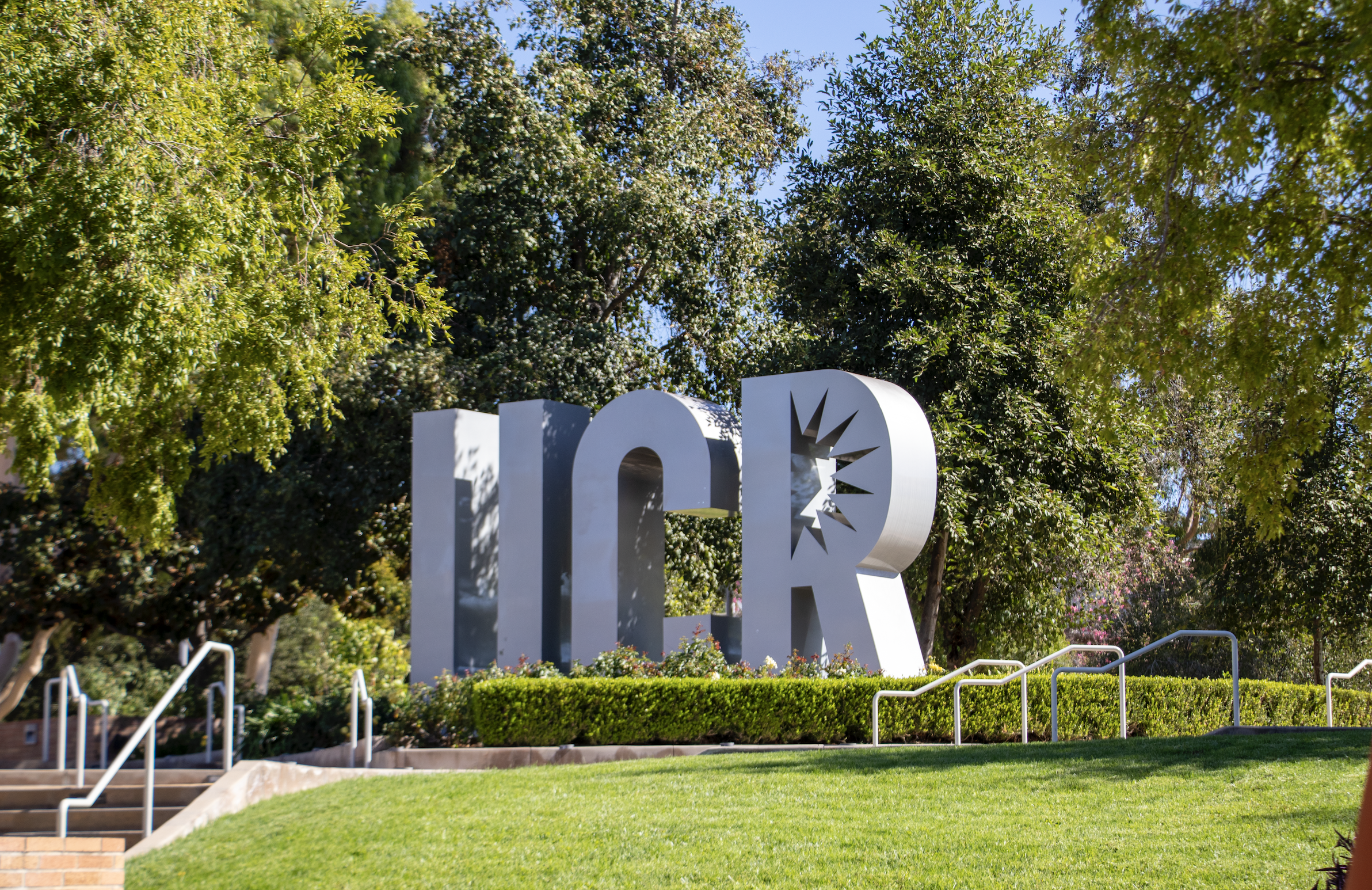
The University of California, Riverside (UCR) offers a range of majors and programs, but the selection is limited compared to other UC schools. Humanities programs are narrow. Engineering majors are limited. Students who want specialized options have fewer choices. The university has grown quickly, but resources have not kept pace. Classrooms, labs and administrative support are stretched thin.
Even with these constraints, UCR accepted 87.1% of applicants for fall 2025. The large incoming class puts extra pressure on the campus and its resources.
The College of Humanities, Arts and Social Sciences (CHASS) should expand. History, literature and languages have potential for growth. For example, UC Berkeley offers over 50 language programs and more than a dozen specialized history tracks. UCR offers fewer than 20 language options and limited history concentrations. Expanding these areas would give students the ability to explore multiple interests and prepare for careers in teaching, research or international work.
UCR is the first UC to offer a public policy program, but it is still less developed than UCLA’s. At UCR, students still face fewer courses, fewer faculty and fewer opportunities to focus on specific areas.
UCR does not have a law school despite being the first UC campus to offer a public policy major. This gap matters at the state level. Three of the four public law schools in California are located in Northern California at UC Berkeley, UC Davis and UC Hastings in San Francisco. Only two, UCLA School of Law and UC Irvine School of Law, are located in Southern California, where about 60% of the state’s population lives. Expanding legal education at UCR would help address this imbalance and better serve students in the region.
Engineering-based majors are consistently among the most in-demand fields of study, yet just 28 undergraduate majors offered at UCR fall under either Bourns College of Engineering (BCOE) or the College of Natural and Agricultural Sciences (CNAS). In comparison, UC Berkeley offers over 60 Science, Technology, Engineering and Mathematics (STEM) related majors, giving students access to a greater variety of disciplines and academic pathways.
At UCR, fields such as public health, aerospace engineering, sustainable environmental design and other emerging fields are not available at the undergraduate level. This hinders students’ ability to specialize in these high-demand areas and pursue competitive careers in constantly evolving and growing industries that will play a vital role in supporting California’s future.
The limited scope of STEM programs has its own consequences. Students may be forced to redirect their initial academic path or have to prioritize another university that does offer their specialized major over UCR. Without expanded programs, UCR risks falling behind in equipping students for the current engineering and technology workforce. By investing in new interdisciplinary programs, UCR can offer better options that align with workforce trends and provide students with more opportunities for internships, research and jobs.
UCR has expanded quickly, but the limited programs it offers leaves students with fewer opportunities to specialize and prepare for the modern, ever-evolving workforce. Expanding the selection of humanities, public policy and STEM majors would allow students to develop the skills and gain the experience they need to succeed and make the university a more diverse institution overall.