
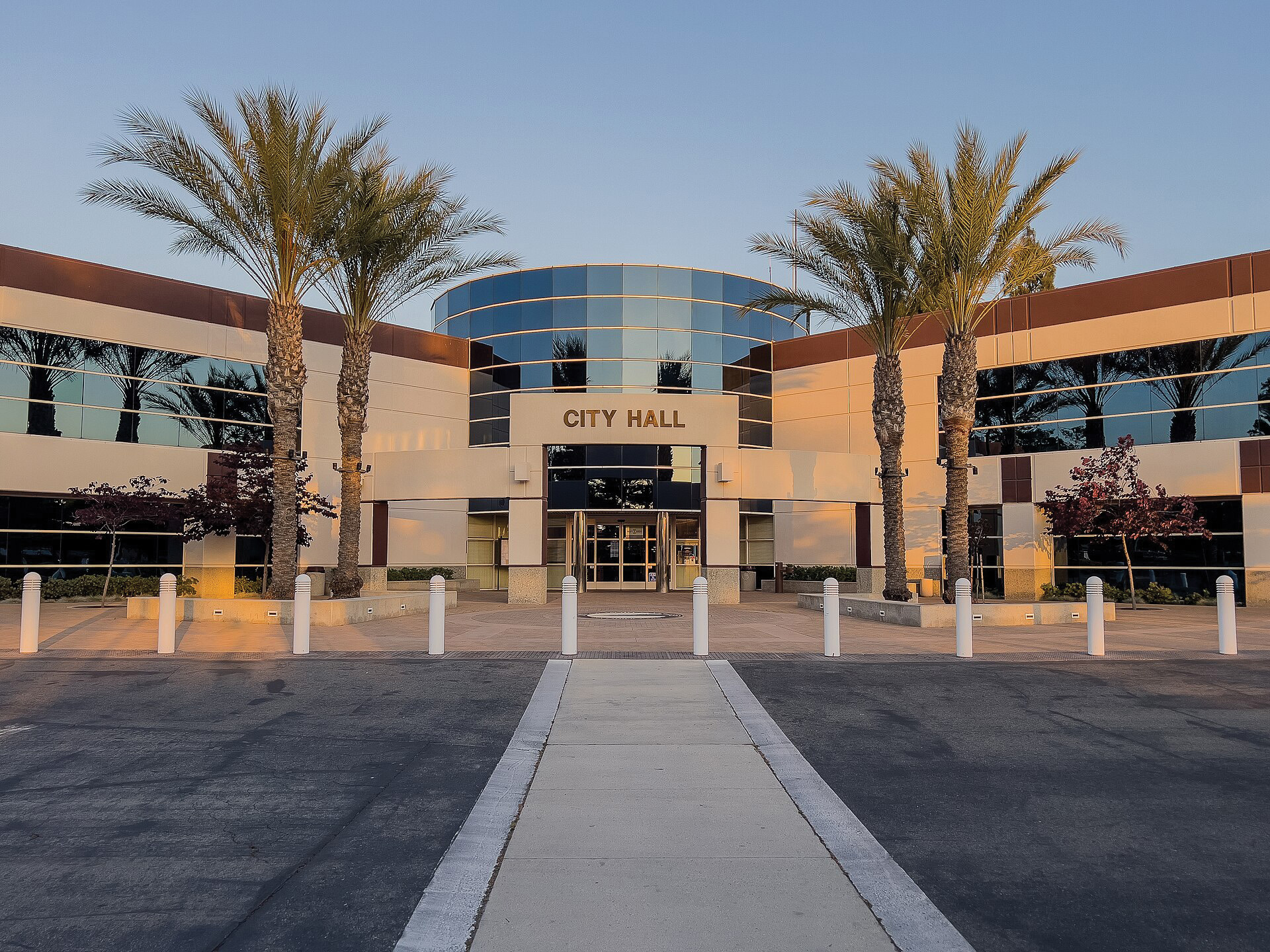
On Jan. 20, Moreno Valley City Council members voted 3-2 to approve a motion to draft an initial 45-day moratorium on warehouses and industrial projects in all four districts of Moreno Valley. Moreno Valley mayor Ulises Cabrera was among the three council members who voted yes on the motion, with a final vote on the moratorium expected Feb. 3.
A moratorium is a temporary pause on new approvals for warehouse and industrial projects while the local legislative body reviews environmental, social and health impacts to decide if they need to change their warehouse rules and regulations. During a moratorium, previously approved warehouses and industrial projects may continue operating and developing uninterrupted.
The Council’s motion aligns with California Government Code Section 65858, which permits a legislative body of an area, in this case the City Council, to adopt an interim urgency ordinance prohibiting land use under reasonable concern, given that the measure has at least a four-fifths vote of the legislative body.
The ordinance will remain valid for 45 days, after which it is eligible to be extended for 10 months and 15 days with a public hearing and subsequent four-fifths vote. However, there must be justifiable proof for the extension, as well as meaningful progress made towards resolving the initially listed concerns.
Cities, especially those that host a high volume of warehouses and active industrial projects, may vote to approve a moratorium when there are concerns about noise pollution, traffic congestion, air quality, heavy resource depletion, zoning issues and other safety risks affecting the local environment and residents.
Additionally, a moratorium can allow cities to lessen or mitigate the burden that warehousing and manufacturing can disproportionately place on local residents and economies. However, some unionized construction and warehouse workers argue that moratoriums can often harm workers by reducing opportunities for warehouse-related jobs, thus hurting the economy due to limited labor output.
Juan Serrato, an organizer with the Laborers’ International Union of North America, reasoned that a moratorium could hurt workers more than it benefits them, proposing that concerns be addressed without shutting down warehouses, as that can affect individuals’ employment. Serrato previously voiced similar concerns about warehouse moratoriums during the Nov. 18, 2025, Perris City Council meeting, stating that moratoriums extend beyond construction and can affect warehouse workers’ livelihoods.
The Los Angeles and Inland Empire area is among one of the largest logistics hubs in the U.S., and many local residents have become increasingly concerned about the massive warehouse presence near their homes, workplaces and businesses. Moreno Valley is not the only area in the Inland Empire to have enacted moratoriums or even total suspension on logistics warehousing and industrial projects. Colton, Hemet, Jurupa Valley, Norco, Perris, Pomona, Redlands, Rialto and Riverside are other cities in the Inland Empire that have either partially or fully suspended warehouse and industrial projects in the region, as of January 2026.