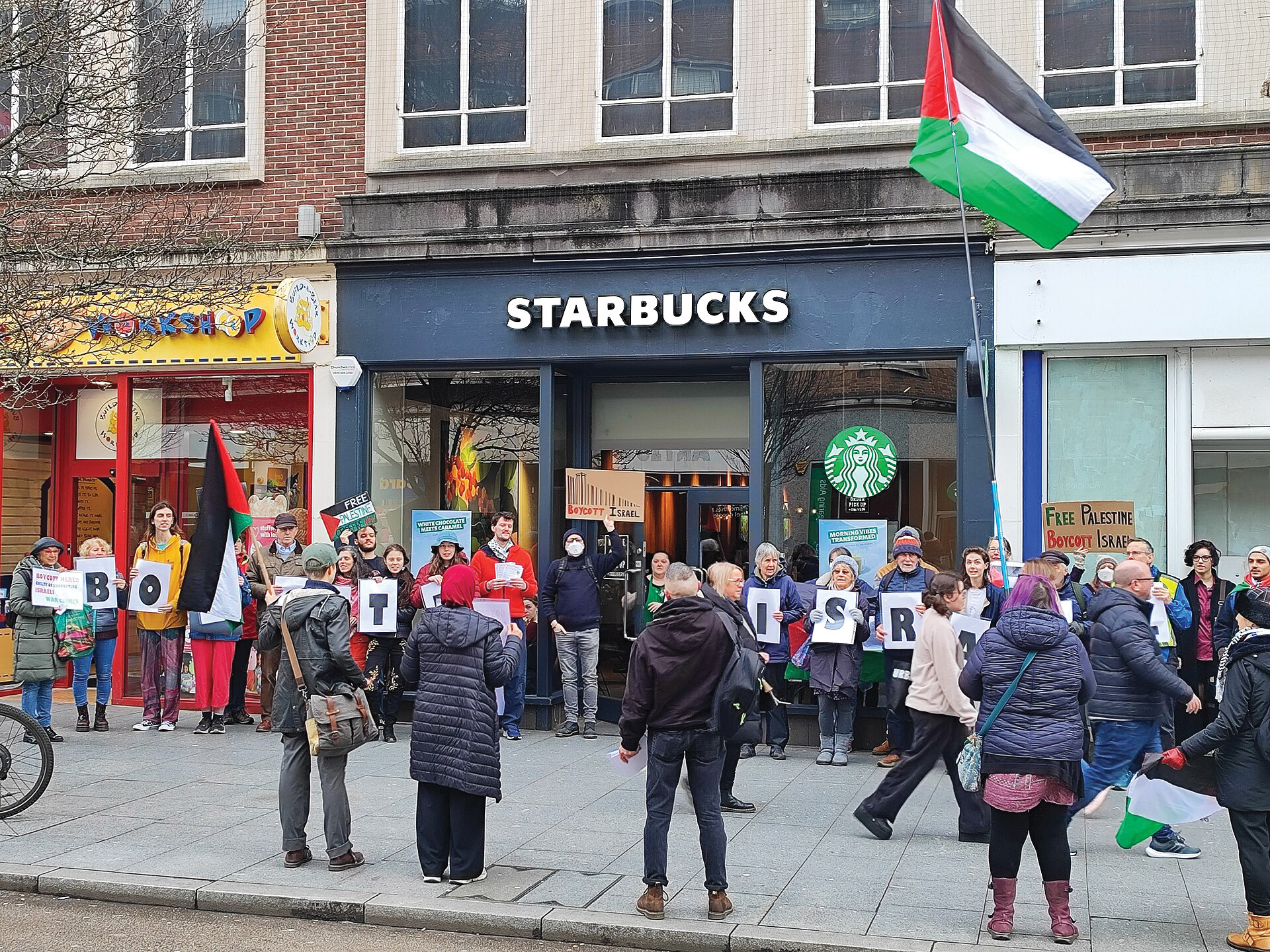
Boycotts were never meant to be easy. They are designed to disrupt institutions and corporations that have caused damage to communities. They may disrupt our daily routines or create some conveniences, but they apply pressure to organizations who otherwise have no incentive to change.
However, many have brought up the phrase, “boycotting is a privilege,” when these strikes have been called into action recently. The phrase serves as a reminder that not everyone has access to resources to shop ethically or opt out of unethical consumption due to personal financial circumstances.
The phrase has been raised to form excuses, most often by people who have the material resources to boycott, but do not want to be inconvenienced. Instead, they use this phrase to opt out of action, but still have the outward appearance of ethical consumption and morality.
Now, this is not an argument for moral absolutism. There is no way to boycott everything and no one should be shamed for surviving in an unjust society where corporations’ only goal is to gain profit, even at the expense of marginalized communities. However, when boycotts arise, it is important to make the distinction between the inability to boycott and the unwillingness to be inconvenienced.
The excuse this phase gives people can gain traction because, at first glance, it seems reasonable. 35.9 million Americans were living in poverty in 2024 and often must rely on one or two affordable retailers and have to make the painstaking choice between groceries, childcare and rent. Their consumption is a matter of survival and they do not have as many resources to shop as ethically as others might.
However, the phrase, “boycotting is a privilege,” has been repurposed by people who do not participate in social action, despite having the resources to change, but not wanting to be inconvenienced. Sadly, this group of people will only boycott to the extent that it costs them nothing.
History makes this phrase harder to defend. A prime example of this is the Montgomery Bus Boycott, a sociopolitical protest lasting 381 days from 1955 to 1956. In the 1870s, the American South adopted Jim Crow laws, a “separate but equal” doctrine, that made it mandatory for all public facilities in the South to be segregated.
The Montgomery Bus Boycott was sparked by both the arrest of Claudette Colvin and Rosa Parks, two African American women, who refused to give up their seats to a white man on a crowded bus. After Park’s arrest, Black Americans refused to ride the bus as a source of economic retaliation against the Jim Crow laws.
Led by people without widespread access to cars, Black Americans organized carpools or walked several miles to work. Their boycott was not a privilege; it inconvenienced everything from finances to time and energy. However, they chose the inconvenience of boycotting the bus system because it was a necessary action that justice demanded. In the end, the public transit segregation ended with the 1956 Supreme Court Browder v. Gayle decision, declaring that segregated seating was unconstitutional.
The Montgomery Bus Boycott is not the only boycott that shows this phrase is just an excuse. The Delano Grape Workers Strike and boycott was organized by Cesar Chavez, Dolores Huerta and Larry Itliong, along with many other California farmworkers. While many workers in this strike and boycott were surely “inconvenienced,” they also chose to stand up for their basic human rights.
The We Ain’t Buying It campaign asked Americans to boycott holiday shopping in 2025 from companies like Target, Amazon and Home Depot. These are just a few examples among many other protests that show why the phrase “boycotting is a privilege” is hollow. The people who are used as evidence as to why boycotting is unfair, including those who have been marginalized, have often been the organizers of historical boycotts despite their disadvantages.
Boycotting has always been uncomfortable and will cause inconveniences. This is by design because unfair systems and organizations in society want to discourage people from standing up to them. However, boycotting places pressure on systems that would otherwise ignore the people they are supposed to serve.
When the next boycott comes up, take a long look in the mirror and think about whether you can do your part or if you are choosing not to be inconvenienced.