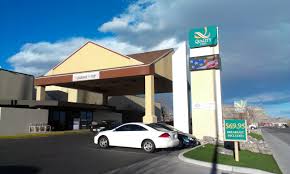
 On Jan. 13, 2026, the Riverside City Council voted against a $20 million supportive housing project that would have converted the Quality Inn Motel located on University Avenue into 114 units for individuals experiencing homelessness, residents with lower incomes and people with disabilities.
The project sparked considerable controversy since its inception. In May 2025, when it was first introduced, the City Council was split 3-3, with Councilmember Chuck Conder absent. Mayor Patricia Lock Dawson cast the tiebreaking vote to approve the project application. In Nov. 2025, the city was awarded the state grant.
However, division over the project persisted. In Jan. 2026, when the City Council voted on whether to accept the state grant, the project was rejected by a narrow 4-3 vote. Councilmembers Philip Falcone, Chuck Conder, Sean Mill and Steven Robillard voted against the project while Councilmembers Clarissa Cervantes, Jim Perry and Steve Hemenway voted in favor.
The project, if approved, would have provided 94 units of permanent supportive housing to households at 30% of the area median income (AMI) and 20 affordable units at 50% of the AMI. Of these units, 18 would have been reserved for individuals with mobility disabilities and 12 for residents with vision or hearing disabilities.
The project planned to prioritize seniors and veterans, providing affordable housing for some of the 312 individuals — 91 of whom are unhoused seniors — currently on the City of Riverside’s supportive housing waiting list. Additionally, the site would have included 24-hour security, “a gated perimeter, a social services coordinator, six case managers” and required both the property manager and maintenance staff to live on-site.
The housing project would have been largely funded by the Riverside Housing Development Corporation (RHDC) and the Homekey+ Program, a state initiative that provides grants to local governments to renovate buildings into permanent or interim supportive housing. RHDC, a non-profit organization in Riverside, also secured loans for the city to finance the project.
Project supporters have urged the City Council to reconsider their vote, but all four members opposed to the project have said they would not move to revisit it.
The City Council’s decision to reject the project ultimately came down to local businesses’ lobbying power, misinformation about the individuals who would be housed in the building and mischaracterization of the interests of the University of California, Riverside (UCR) students.
During the public comment period, opponents argued that the project would harm the city’s revitalization efforts on University Avenue, which recently welcomed the opening of the Farm House Collective. According to the owners, the project “would go against the long-term vision that convinced them [the city] to invest in the neighborhood.” Councilmember Falcone also said that initial discussions about the project excluded local business owners.
While it is understandable that business owners would be concerned with the area’s goal of central business planning on University Avenue, the need for affordable housing is urgent. According to the 2025 Point-in-Time Count, 614 individuals are experiencing homelessness in Riverside. This project would have provided 114 units of supportive housing for these individuals, particularly for seniors over the age of 55, the city’s largest group of those experiencing homelessness.
It is also unlikely that these businesses would have supported the project even if they had been included in the initial discussions, as they made it clear that they do not want the project near their establishments. Additionally, projects funded by the Homekey+ Program require grant and spending deadlines. Councilmember Falcone’s comment fails to recognize the time-sensitive nature of the program’s grant and the urgency with which the city should be pursuing this state funding.
Councilmember Mill also raised concerns that the project lacked prerequisites for residents to participate in treatment or comply with mental health programs. He expressed disagreement with the Housing First approach, which places people into housing first and then provides supportive services to address homelessness.
However, if the city intends to make treatment a prerequisite for supportive housing, it should invest in outreach strategies that meet people where they are — including on the street and in encampments — and connect them with mental health and substance abuse resources. The city should collaborate with local organizations to expand access to treatment rather than conducting homeless sweeps or just sending police officers.
In 2018, the city also adopted the Housing First model with its Housing First Strategy Plan, which states that all supportive housing programs in Riverside will “operate using a Housing First orientation and provide person-centered flexible and voluntary services.” The proposed University Avenue project aligns with this framework.
It is important to note as well that the housing at this project is available to individuals experiencing homelessness, residents with lower incomes and people with disabilities. While not all residents may need these services, on-site staff and resources would have been available for those who do. As the county’s largest city, Riverside has a responsibility to prioritize stable housing and offer supportive resources to these individuals.
Additionally, some have argued that the project would be too close to UCR and would drive students away from the area. However, this mischaracterizes the view of most students. University Avenue is a well-traveled street for students as it leads to Downtown Riverside and includes University Village and other local businesses. If residents have access to a single supportive housing site with accessible mental health and substance abuse services, this could reduce public safety risks near campus.
Ultimately, this project was a missed opportunity. Hundreds of residents remain without stable housing due to local business lobbying, stigma against homeless individuals and exaggerated perceptions of opposition from UCR students. The City of Riverside needs to urgently identify alternative supportive housing sites, secure funding and collaborate with local communities