
One of the most concerning developments in 2026 for cinephiles is the growing embrace of generative artificial intelligence in the filmmaking process from prominent filmmakers, actors and studios. Beyond mere verbal endorsement, many have entered into multi-million dollar partnerships with AI companies.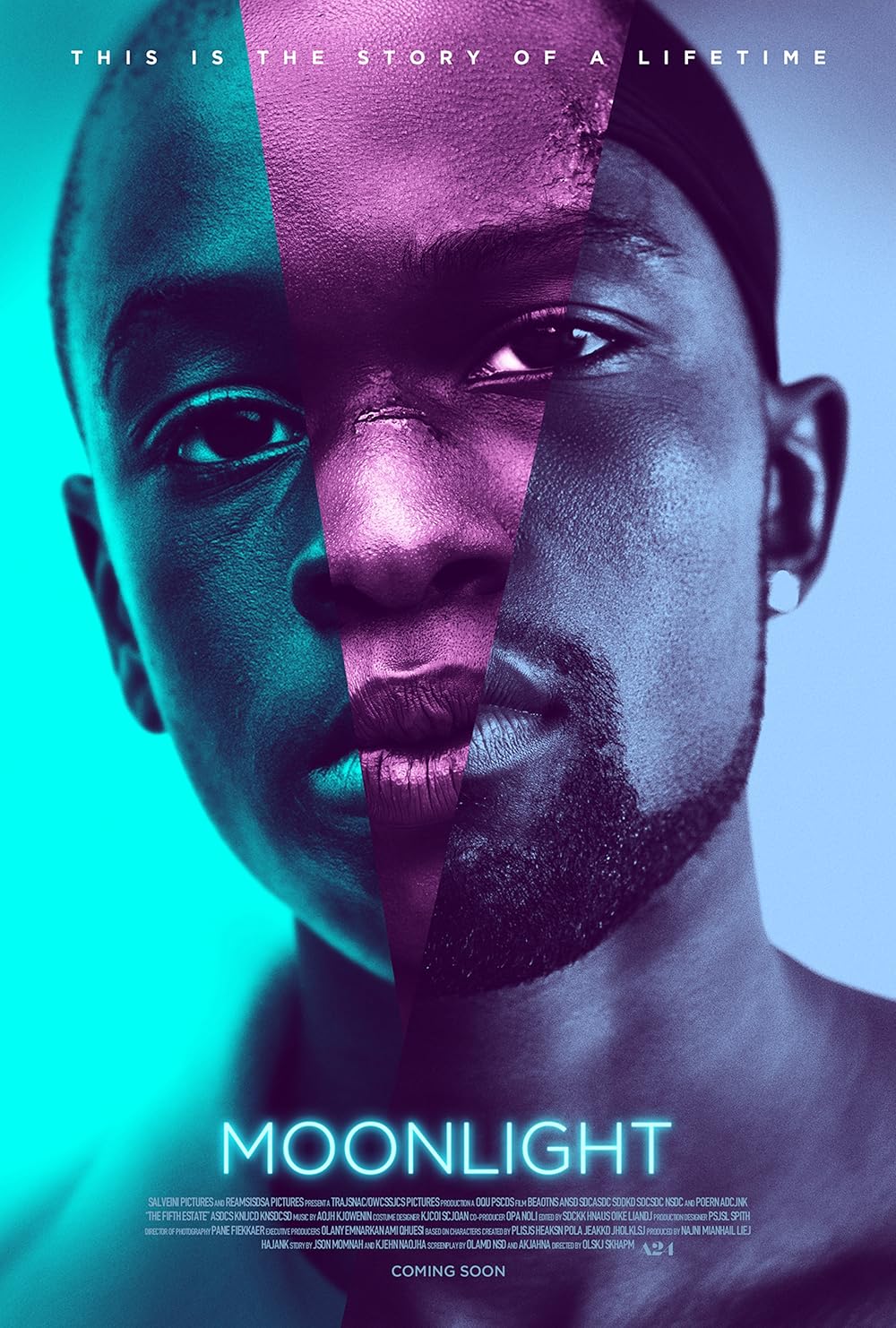
“Requiem for a Dream” and “Black Swan” director Darren Aronofsky was the first of such trends, working on Time’s AI-generated video series “On This Day… 1776” as the executive producer. The series about the American Revolution which was posted on Time’s Youtube channel was met with heavy criticism, with many viewers calling it “AI slop.”
Next was the legendary filmmaker Martin Scorsese joining AI company Black Forest Labs as its adviser, with a clip of him using AI to create a storyboard of a scene. Scorsese claimed that the application of the technology can help “push the bounds of creativity.”
A24, a distributor for Oscar-winning films such as “Moonlight” and “Everything Everywhere All at Once,”is no exception as it was reported on June 22, 2026 that they have agreed upon a $75 million partnership with Google for AI research. This is only weeks after A24’s most commercially successful film “Backrooms” director Kane Parsons publicly said in an interview that he is against using AI in filmmaking. A24 maintained their position, claiming that they would “rather have a seat at the table.”
Most recently on July 17, 2026, Netflix confirmed the rumored acquisition of Ben Affleck’s AI company InterPositive with the price tag of $587 million dollars. Affleck had said in a previous interview the aim of the company is to take out “logistical stuff that gets in the way” of the filmmaking process.
This sudden emergence of industry figures actively working towards the implementation of AI technology in filmmaking and the astronomical amount of funds being invested is deeply concerning as the use of generative AI could diminish the essence of cinema, leading to an eventual loss of the identity.
The common argument for applying this technology seems to be that it can help bypass many limitations and restrictions that a director faces. However, cinema is an art form that thrives from being under such restrictions as the filmmaker must wrestle with the obstacles they face and must decide on what they are willing to compromise and what they choose to keep. Consider Jafar Panahi’s “Taxi.” Despite the ban and censorship placed by the Iranian government, Panahi incorporated such structural restraint into the film rather than being hindered by it, ultimately making a film that captures the life of Tehran in an innovative manner. If every film director simply turned to AI in every instance of minor inconveniences, then cinema stops being a machine for documenting human experiences and struggles.
Another argument that proponents of AI make is that it is just another tool and that technological advancements have always been the driving force of cinema, and therefore the application of this new technology should be experimented. It is very true that from the birth of films technology has played an essential role, and the approach to filmmaking has evolved accordingly with technological progress. From the introduction of sound and color to hyperrealistic CGI effects, films have always reflected the scientific achievements of the era. However, in the applications of these innovations, there has always been human deliberation guiding it. AI is fundamentally different from these other tools in that the very objective of it is to a certain extent emulate humans in their ability to think and reason. Therefore, it is irresponsible to call it “just another tool” as it doesn’t serve to expand human expression but rather removes it.
Artistic expression is a creative activity that is as much about the process as it is about the end result. The art’s meaning is imbued through artist wrestling with its medium, technique, context, subtext, narrative, etc. With the artist removed, however, the creation becomes hollow, existing only in relation to the audience with the only purpose it serves being merely their entertainment.
Cinema has rarely been solely about moving images. It is a reflection of human experiences and lens into varying worldviews. Incorporating AI to delegate any problem one faces in the process, however minor they seem to be, removes the fundamental essence of the art form. Furthermore, if AI is able to bring increased production efficiency while producing commercially acceptable content, corporations will favor this new method of filmmaking without much regard to artistic merit, leading to human filmmakers getting less opportunities while the theater is flooded with mediocre movies that barely meet the audience expectations. At that stage, cinema will have been transformed into something entirely different.