

Ditching all of life’s problems in exchange for a couple of hours of rest is always nice, but a nap has never done anyone any good. Picture this: it’s 6 p.m. on a Thursday night, you are exhausted but have so much work to do, so you decide 30 minutes of rest won’t hurt anyone. Making sure not to get too comfortable so you do not accidentally sleep for the rest of the day, you close your eyes and drift into dreamland … waking up in a panic, you frantically check the time and see that it is 2 a.m.
Eight hours of sleep later, you are dazed and confused. After the hour it takes to recover from the trauma of waking up from the “nap,” it’s time to do the mountain of work you were supposed to do before drifting into slumber … or just go back to sleep. See, that “nap” really screwed up your evening.
Now this is not some made up sequence of events, I literally did this last week, and am still
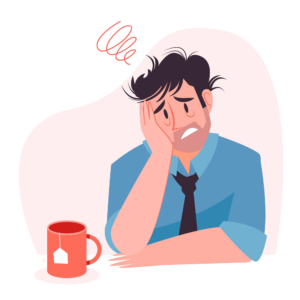
currently recovering from the ramifications of this well needed slumber. This midterm season, ditch the naps! Drink some coffee and power through the day, that nap is not worth it.
Studies show that if your daytime nap is less than 30 minutes, you could feel more well rested and your health could be improved. Let’s be real for a second, when was the last time anyone ever took a nap for less than half an hour? Never, except for Mata Elangovan apparently.
Napping frequently for more than 30 minutes has been linked to an increased risk of depression, cardio-vascular disease, type 2 diabetes and strokes. The Mayo Clinic found that napping can also cause nighttime sleep problems and sleep inertia, defined as grogginess and distortion after waking up from a nap. This same study also found that an increased need for naps could be an indication of underlying health issues that are disrupting nighttime rest.
Most doctors recommend that if you do take a nap, nap before 3 p.m. and keep it between 10 to 20 minutes because the longer the nap, the more likely you are to feel groggy afterward. However, with all this in mind, it’s probably better not to nap at all. Sleeping for 20 minutes is never satisfying. Once you close your eyes and feel the wonderful wings of rest sending you off to sleep, you won’t want to wake up.
A study by the Center for Disease Control and Prevention (CDC) found that one in three adults do not get enough sleep, so it makes sense that this same population supplements nightly rest with daytime naps. Regardless of the lack of benefits from these long naps, they are the body’s attempt at making up for its exhaustion so you can continue performing basic human functions.
The American Academy of Sleep Medicine recommends that adults aged 18-60 years should sleep at least seven hours each night to “promote optimal health and well-being.” Neomi Shah, the associate division chief of Pulmonary, Critical Care and Sleep Medicine at the Icahn School of Medicine explained, “Sleep is extremely important to our overall well-being, and therefore loss of sleep or poor quality of sleep can significantly impair one’s ability to function.”
Getting these seven hours of rest every night circumvents the need for daytime napping, so this midterm season, stay away from the nap and try your best to get seven hours of rest. It is much better to power through the day than to waste the whole afternoon sleeping. To avoid that post-nap shell shock, drink some caffeine and buck up. I promise your life will be better if you just wait it out until the evening. If you are resting the proper amount of time every night, that late afternoon coma will not be necessary to sustain your function anymore!