
California Primaries are set to take place on June 2, 2026. The Highlander Newspaper staff collected student views around campus about the upcoming election, getting a sneak peak into what the rising adults of 2026 are looking forward to as they prepare to select one of the 60 different candidates to replace the current California Gov., Gavin Newsom. The students that were interviewed on May 28, 2026, share the common feeling that there is a lot of confusion about the election process and that information is not easily accessible. Many claim that Generation Z (Gen Z) is also being framed as apathetic with its low voter turnout for the younger population, showing how not everyone is properly represented with the winning candidate that moves on in the November election.
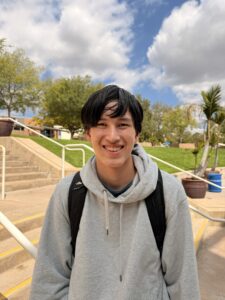
For instance, Ro Zheng, fourth year psychology major, claims that political parties often push the voters’ decision to be one sided with the fame of parties, rather than the individual having the time to process the policy agreements advocated by the candidate. This is especially important because minorities, especially in cities like Riverside, often have their issues overlooked in these election races. It’s as if voters are merely focused on getting their party to win. Zheng also believes that there is a lot of confusion on what is real, making people feel overwhelmed by the amount of information and choices they have.
This opinion was also shared by fifth year theatre, film and digital productions major, Leslie Padilla Zepeda, who adds that no one “knows how California primaries actually work. I don’t think anyone fully grasps how weird it is.” Zepeda also believes that information is not easily accessible for many, making it harder for more students to get involved in political decisions.
Moreover, students were also asked about their opinion on the policies that the current 2026 candidates are running with, such as debating whether California should keep its current path or take a completely different direction on issues like housing costs and homelessness.

Jacob Madrid, another one of the interviewees, believes that although all of these issues are important to the quality of living in California, there’s a lot of money being poured into issues. Some of these problems include homelessness, low cost housing, the lack of attention when it comes funding being placed on quality of education (i.e. paying teachers) and the impact that investment companies have on out pricing working class families from homes already built. The third year psychology major also expresses the sentiment that “California needs someone to take the place of Gavin Newsom with the ability to make difficult decisions of allocating budget to support the future of the state instead of solutions that bandaid ones that are a result of years of systematic inequalities.”
Furthermore, California practices the “jungle primary” system in which people can vote for any candidate regardless of their political party. The two candidates with the most votes move on to the final election in November, even if they are both from the same party.
Students were asked whether this system is a good way to find a candidate who appeals to everyone, or does it instead make it harder for individuals to feel represented if their specific party doesn’t make the cut. Second year business administration major Vinh Garbez adds that it is much easier to have a system where people can rank candidates instead of just voting for one since everyone can be represented more accurately by reflecting the needs of people. This was also discussed in another perspective by Zepeda, stating that the candidates that win are usually not the ones that represent the popular opinion. Instead, the opinion of those groups are likely to have a high voter turnout, such as “old, and white background” residents. This, in turn, suppresses voter voice.
The students interviewed share a common opinion that there is a lot of confusion in the air regarding voting in the primaries, who is running and what they are supporting, problems regarding voter turnout being low due to lack of information and confidence, rather than Gen Z being apathetic, and not focusing on issues that are much deeper than home prices and homelessness.