
On Tuesday, Sept. 29, 2026, Governor Gavin Newsom signed a new set of bills regarding residential housing. The package was finalized during an announcement and signing event in San Francisco alongside Mayor Daniel Lurie and Assemblymember Matt Haney. The bills aim to combat homelessness and expand on recent housing progress by building more homes in existing communities, increasing the accessibility of home ownership and removing possible barriers to construction.
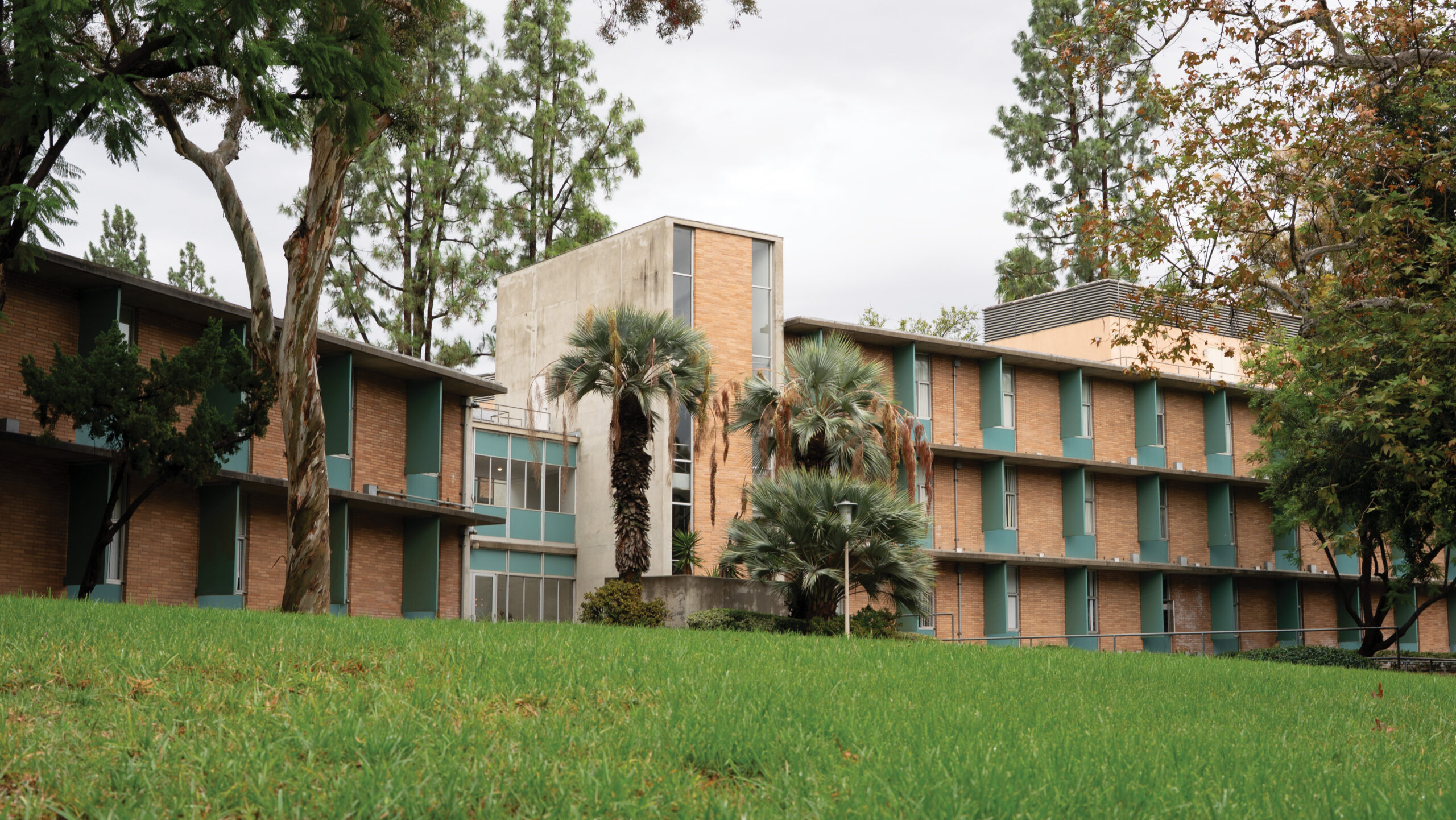
Newsom signed over 30 housing bills as part of the package, most of which were focused on home ownership and addressing homelessness. However, he also signed off on several student housing bills which are designed to remove roadblocks for housing projects in higher education by exempting them from the California Environmental Quality Act (CEQA) and providing density bonuses for low income housing projects. These two actions allow builders to bypass regulations that could bar them from construction and provide incentives for them to accommodate lower income residents.
The new legislation contains several key components, including enforcing stronger deadlines for construction permits to ensure that new housing is approved without significant delays. There will be the establishment of a clear process to qualify and be approved for townhome ownership and a property-tax incentive for moderate-income renters to facilitate more affordable rental housing.
California Assembly Bill 1732, which was introduced by Assemblymember David Alvarez, requires that eligible affordable housing projects be exempt from CEQA.. Among the projects included are public university and college housing projects, which are defined in the bill as “one or more housing facilities to be occupied by students, faculty or staff” on higher education campuses. This exemption would allow student housing projects to bypass the environmental regulations usually required and avoid potential lawsuits from opposers.
California Assembly Bill 2480, which was introduced by Assemblymember Avila Farias, builds upon the existing Density Bonus Law. The bill requires a city or county to grant a density bonus to developers who agree to construct 20% of the total units for lower income students in a student housing project. This allows the developer to build more housing units than are usually permitted in exchange for incorporating low income housing into their project.
The enactment of these bills directly impacts the status of student housing in higher education, especially among University of California (UC), California State University and community college campuses throughout the state. CEQA has previously been used to block the construction of new housing, for example at UC Berkeley from 2022-2023, a new project called the People’s Park faced opposition from nearby neighbors who used the act’s requirements to sue the university. The bills would void opponents’ ability to use the act in this way to shut down the project.