 General Municipal Election results for the city council member positions for Ward’s Two and Four will be announced on Nov. 3. With the June primary having cut the initial five person race down to two frontrunners, the campaign for Ward Two which includes the University of California, Riverside (UCR) and the areas of Sycamore, Hunter Park, Canyon Crest and the University Neighborhood, is now between Western Municipal Water District (MWD) board member Gracie Torres and City Commissioner Aram Ayra.
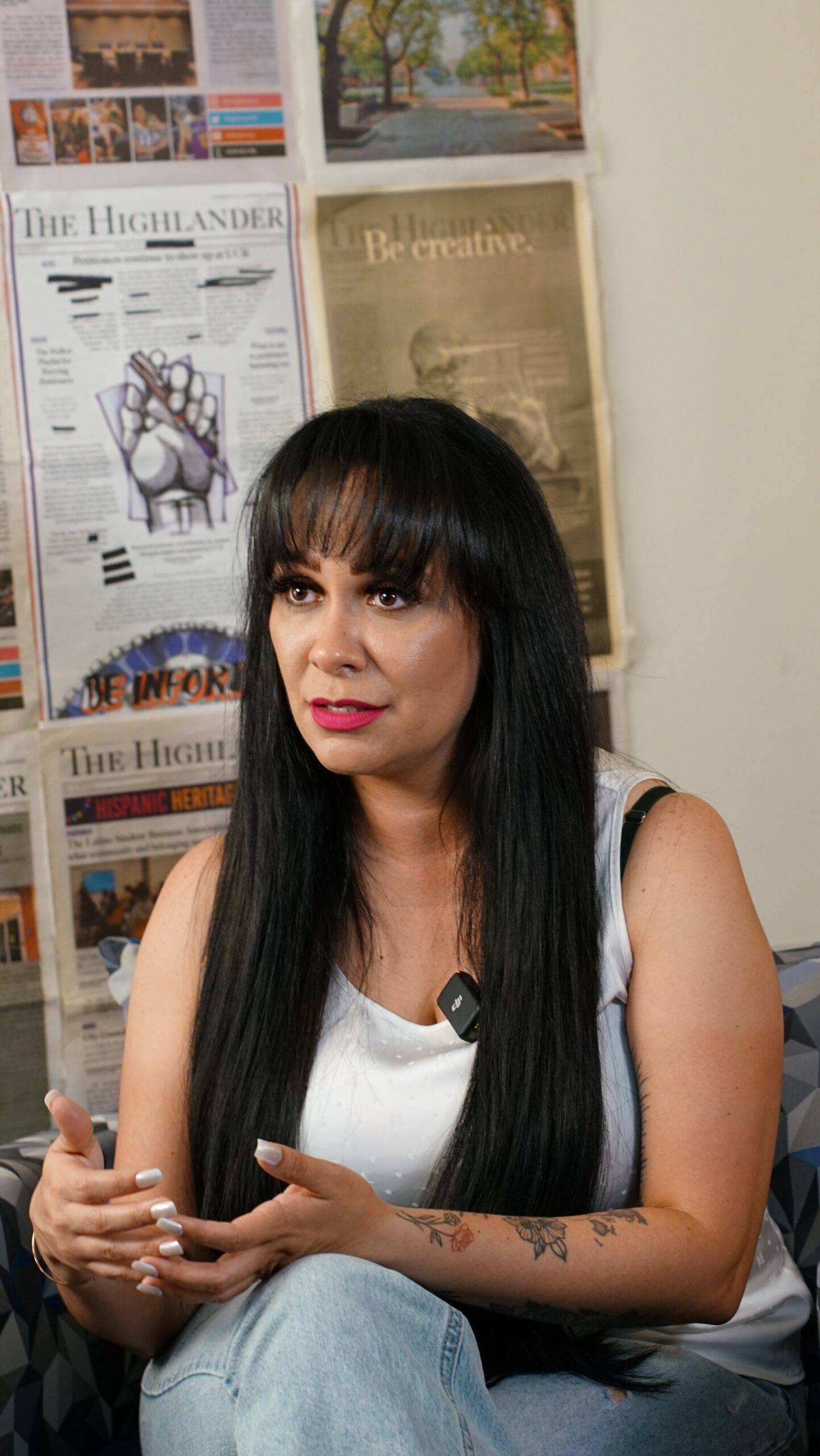
The Highlander invited both candidates to further discuss their platforms. Although The Highlander was unable to meet with Ayra, Torres accepted the interview request and, on Oct. 16, answered questions surrounding her major campaign points and ambitions for the city.
Torres’s Ward Two Plan
Torres credited her adoption of job creation and affordability, enhancing city services, investing in public safety and addressing homelessness as focal points of her campaign to feedback received from city residents.
In regards to job creation and affordability, Torres described the city as currently being a “career desert,” which forces residents to look for work elsewhere and reduces potential revenue. To resolve this, she has proposed developing collaborations with local colleges and workforce programs to prepare residents for careers in emerging fields similar to her previous work as a MWD board member. There, she started the IE Works organization which aids community members in becoming certified in water and wastewater districts within the Inland Empire, stating, “I want to do the same thing at the city level … Right now there are way too many barriers for people to start these entry level positions where ultimately, they can have a career.”
Torres also expressed an interest in implementing incentives for small businesses that hire residents and discussed UCR’s potential —- stating that there has been missed opportunities to collaborate with the university in ways which could support the city and graduating students. “We want them to stay, we want them to thrive in the city. But the reality is most students don’t even consider it because there’s such a lack of opportunity.” Further referencing resources owned by UCR Torres added, “The city needs to be a partner in those things so that it stays.”
Speaking on the point of homelessness, she explained that she plans to invest in first responders such as the Riverside Police and Fire departments while conducting audits to ensure allocated funding is being effectively utilized. With her focus being on preventative rather than reactive measures, Torres stated, “They need the resources in order to provide stability, right? I heard this week that about 70% of the funds is just to clean up the encampments. It should actually be to provide stability for our unhoused population.” Torres also proposed collaborating with local cities such as Fontana, who are converting warehouses into shelters and inquiring if unhoused Riverside residents can be placed and provided with services there.
When asked about her stance on the University Terrace Homes project’s rejection, Torres explained that she initially abstained from stating how she would have voted as she was unsure how residents felt about the issue. She furthered that she has since determined she would have prioritized collaboration with constituents and colleagues to have garnered the necessary support to pass the project, stating, “In eight months, my understanding was that the work required for you to shake hands and get yesses didn’t happen. That is a lack of leadership and in my opinion, bad governance.”
Collaboration, transparency and her vision for Riverside
Throughout her campaign, Torres has reiterated the importance of collaboration for effective governance. She shared that her focus on coordination with those of similar and opposing viewpoints has earned her public support, stating, “I think that the majority of the city council that’s supporting me, businesses, labor, you know, a variety of leaders and the political spectrum are supporting me because they know that I want to get things done.”
Torres expressed that she would like to implement measures such as monthly check-ins with residents and stakeholders as well as continuing to share her personal cell phone number to increase accessibility and transparency, stating, “I’m not a council member yet, right? But it does break my heart that they are calling a candidate rather than their council person and that’s because of the lack of accessibility that they felt that they had,” she also added, “Whether you voted for me or not … you can call me.”
Torres also discussed her upbringing as a lifelong city resident and described that she wants to maintain the city’s “small town feel” and balance increasing innovation with establishing a sense of stability for residents, stating “Things are slowly changing, especially with national and statewide politics kind of seeping in … I’ll keep myself shielded from all of that so that I can focus on Riverside.”
She ended the interview with the final statement, “I really hope voters will take a look and say this is a woman that has built a resume on her back … Yes, I have raised a lot of money, and it’s only because people trust in my leadership … Ultimately, this race is just about experience and delivering results and I am the candidate that can do that.”