The concept of faithful adaptations being a myth is flawed. The flaw lies in how filmmakers and audiences view a faithful adaptation. Cinema and literature are two completely different forms of media; however, when creating an “adaptation” of a book, you must take into consideration ownership and authorship.
A director is not simply taking on a completely new idea that they’ve created on their own. They are taking someone else’s intellectual property and adapting it to a new medium. When considering narrative authority, the original author’s voice should hold overarching influence in an adaptation.
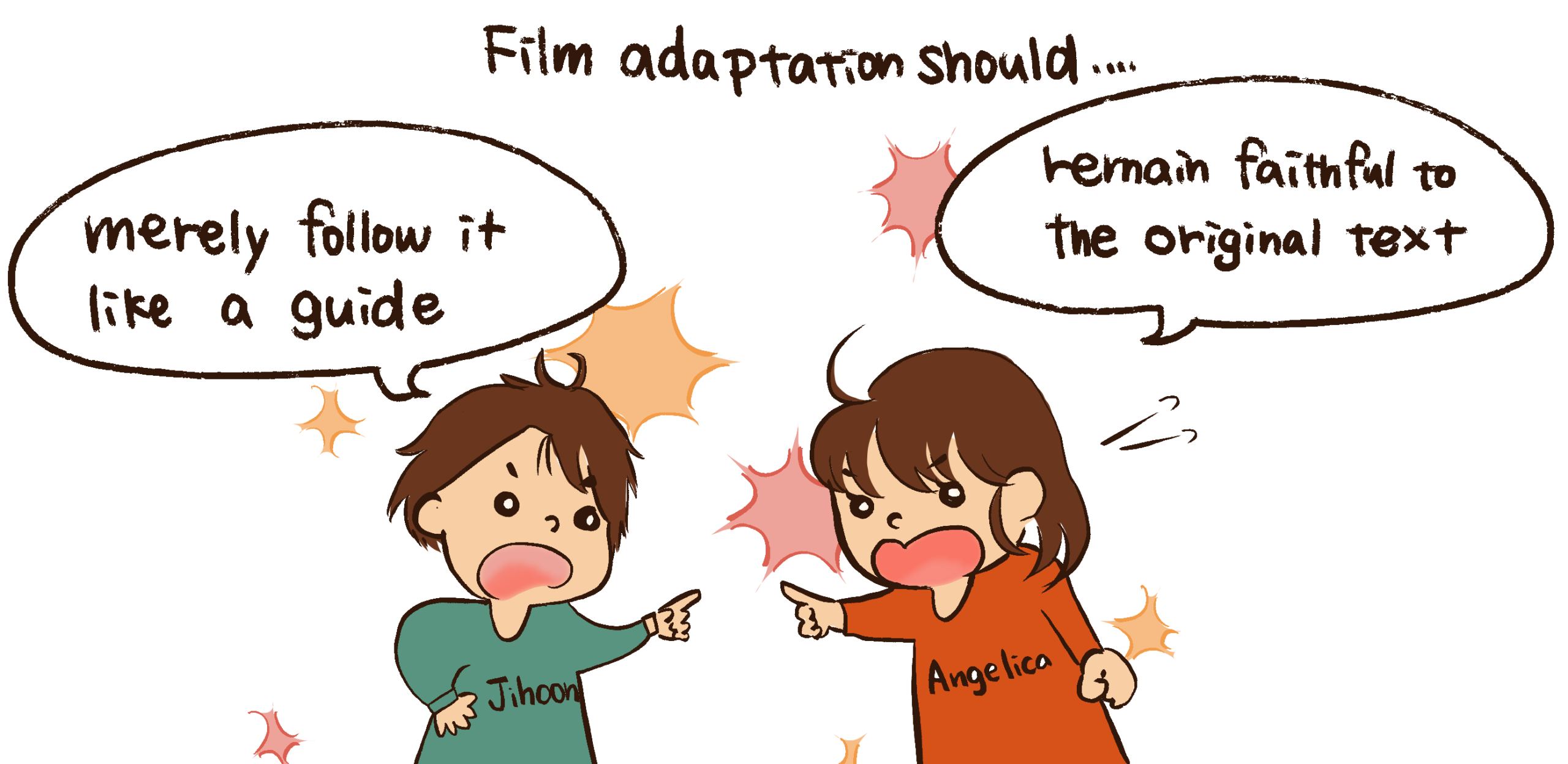
If a film claims to be an adaptation, then it should remain as true to the source material as possible. If a film claims to be a reimagining of an author’s work, then that allows a director more leeway to reinterpret the original source. However, the two are not the same.
A reimagining implies that the work is a reconstruction of the original text through the director’s point of view. Disney films derived from the fairy tales of Jacob and Wilhelm Grimm are reimaginings, completely new stories built from the directors’ and screenwriters’ imaginations. By contrast, an adaptation implies that the director is simply moving art from one form to another, keeping the essence and subject the same.
It is difficult to fully adapt a book into film; however, directors are storytellers of their own accord. Whereas a book is able to paint a picture in words, a film allows that picture to be experienced visually. A skilled director can say a million words through one frame, yet many adaptations still fall short where others succeed.
Take the 2019 film adaptation of Louisa May Alcott’s 1868 novel “Little Women,” directed by Greta Gerwig. While not exactly like the book, especially towards the end, Gerwig still captured the overall theme: the director understood that the central premise of the story was sisterhood and women finding their own identity in a society where they are told what to be.
Gerwig was able to show appreciation for the original story in her film because she was not arrogant about the work and truly understood the novel’s message — that in the end, it didn’t matter whether Jo March published her book, because that’s not what her story was about.
A director who truly understands adaptation and is willing to let go of their own arrogance can appreciate the work and meaning behind a novel. Both film and literature have their own value and role. However, it seems that society has begun to value the voice of a director more than the voice of the author. A perfect film adaptation does not exist; however, a faithful one does. This does not mean films must be completely the same as the book, but rather the audience can still hear the author’s voice coexisting side by side with the director’s rather than being drowned out. A director does not have to be silenced in order to make a faithful adaptation; they just have to be willing to share the spotlight.