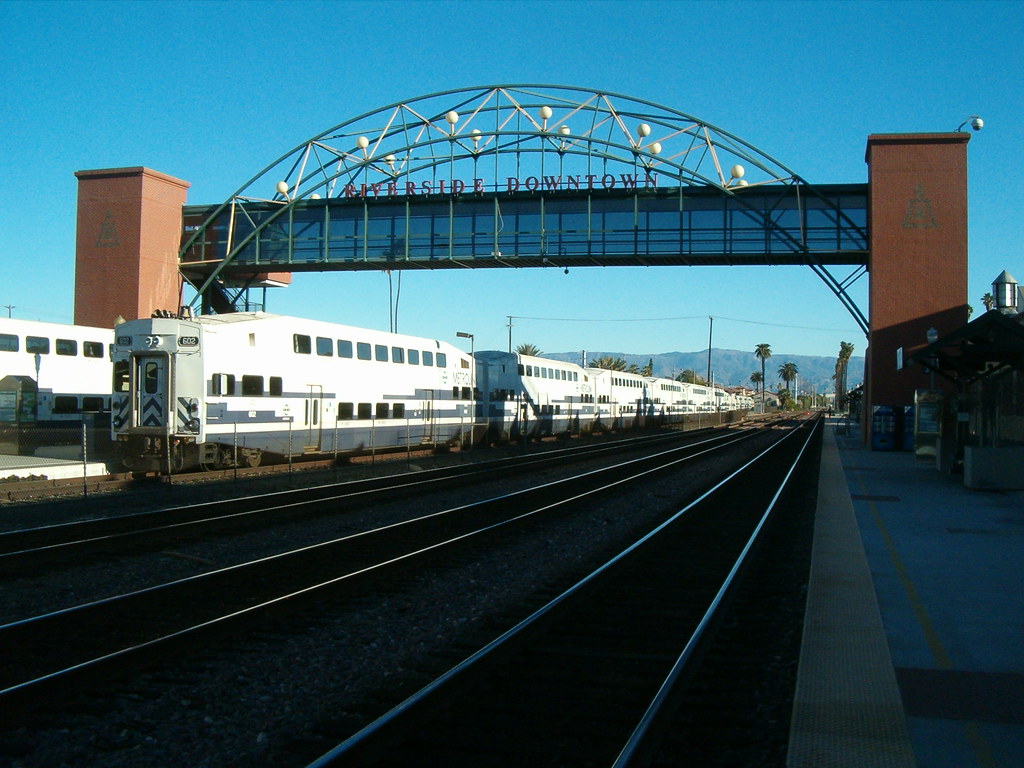
On Oct. 23, 2026, a new budget for Metrolink was proposed during a Southern California Regional Rail Authority (SCRRA) Board of Directors meeting, in which members discussed the reduced budget for the next fiscal year, as well as potential service cuts. In response to this, the transit agency has begun to propose schedule changes which would eliminate some current train routes.
Metrolink has experienced budget cuts since April, particularly from the agency’s two largest financiers, Metro—a separate public transit system—and the Orange County Transportation Authority (OCTA). The companies withdrew a total of $9.5 million in March due to their own fiscal constraints. Metrolink also implemented its first price increase in 13 years on Oct. 5, 2026, raising fares by up to 27% depending on fare type in an attempt to address financial pressures and keep up with operation and maintenance costs.
The currently proposed schedule, known as Scenario Eight, would substantially decrease service levels, dropping 29% of weekday trains and 40% of weekend trains, with San Bernardino, Antelope Valley and Orange County facing the largest portion of cuts. This includes the Arrow, funded solely by San Bernardino Transit Authority, which will also have fewer trains and varying schedules due to the cuts.
Additionally, the new plan would move away from pulsed scheduling, referring to multiple lines having consistent stop times, and clock face scheduling, referring to trains departing exactly one hour apart. The new plan is reported to prioritize accommodating a standard 9 a.m. to 5 p.m. work schedule and decrease the total number of trains throughout the day. The cuts aim to focus on ‘low-performance’ trains, such as midday routes, due to their use being lower than morning and evening trains. Although ridership has increased post-pandemic, rates remain lower than historically recorded.
According to data from Metrolink’s Onboard Survey, students make up 27% of current riders as of 2025. As Southern California’s only regional rail commuter network, reducing the number of trains could impact students who commute to work, school and other locations with Metrolink. Alternatives include Amtrak or regional buses such as the RTA. University of California, Riverside (UCR) graduate student and historian of the transportation network in Southern California Cooper Crane discussed his concerns about the potential cuts, mentioning how they could affect student’s schedules, stating, “It’s not like all the train schedules are being cut, but the problem is that they’re being cut in such a way that makes them way less flexible of an option for commuters … Sometimes you might have classes into the evening. Train is no longer an option for you. The schedule will not allow it.”
Currently, temporary solutions include Metrolink’s request for the State Rail Assistance Program, a two-year grant that would utilize bridge financing to avoid the cuts, which could provide temporary funding until a long term budget is secured. The next meeting, set to take place on Nov.13 at the Metro Headquarters Building in Los Angeles, will include a public hearing and final board vote on the budget change. If approved, the changes would go into effect no sooner than Jan. 4, 2027.