
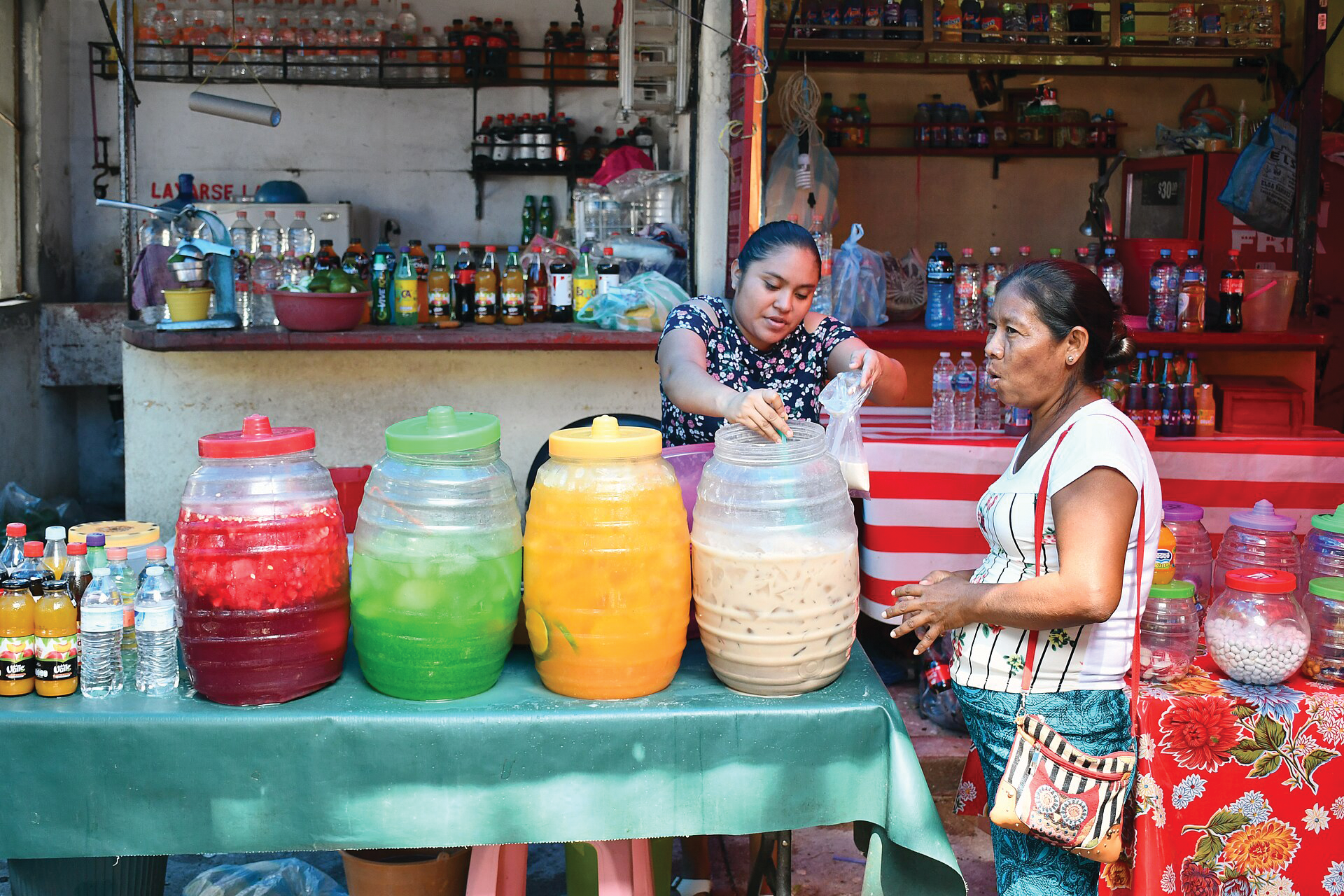
Agua frescas, a traditional Mexican drink made with fruit and water, is becoming a “wellness trend,” raising important questions about cultural appropriation and who truly benefits from a tradition’s popularity. “Spa water” is a beverage infused with fresh fruits, vegetables or herbs, such as cucumber, lemon or mint, and is designed to be a refreshing, hydrating and low-calorie beverage.
This seems very similar to aguas frescas, but the key difference lies not in the ingredients but in how each drink is marketed. By calling agua frescas “spa water” as a marketing tool, Mexican traditions are being used to sell a trend. This has become increasingly common among social media influencers and wellness trends, where people take important cultural foods and give them new names to make them seem more appealing.
For example, TikTok influencer Gracie Norton is the creator who first began rebranding aguas frescas as “spa water.” In her now-deleted TikTok video, Norton showed herself mashing fruit into a jar and then adding water, ice and some sugar. She presented the drink as her own creation, telling her audience it was “anti-inflammatory and packed with antioxidants.” Nowhere in her video did she mention that Mexican families have been making this exact drink since before the Aztec Empire.

Aguas frescas have deep roots in Mexico. The drink is usually made with fresh fruit, water and sugar, and often sold by street vendors or made at home. The beverage is affordable and connected to family and the community. They are not new or trendy, but something that has been around since the Aztec Empire, as Aztecs would mix water and flowers like hibiscus (known as agua de jamaica) into a drink.
Agua frescas also connect to Mexico’s climate. They are sold in large jars and enjoyed as a refreshing beverage to stay hydrated in warm climates. It’s more than a drink; it’s a “symbol of the vibrant energy of Mexican street food culture” that’s found at every Hispanic market. However, the drink only became widely recognized online after it was renamed and presented differently.
“Spa water” is the most recent example of cultural appropriation through a social media trend. Influencers like Norton rebrand aguas frescas, calling it a “wellness drink,” and don’t see a problem until after they are called out on it. These creators aren’t sharing authentic and original recipes; they’re selling the idea of “spa water” through sponsored posts or wellness challenges.
Although the two drinks are similar, people see them differently depending on how they’re presented. Moreover, the only thing that changed was the name of the drink and that name erased the culture behind it. It has only become popular now that it has been separated from its original origin.
Part of this trend is repackaging agua frescas to fit mainstream ideas of health and luxury. The drink is shown in a more aesthetic and wellness way. The new name and presentation make people see it as more modern, luxurious and connected to wellness culture instead of a Mexican tradition. This makes it only accessible to people who can pay for the fancy image of “spa waters,” similar to bottled water with fruit served at expensive spas or hotels.
However, this ignores the fact that aguas frescas have always been an affordable, everyday drink sold by street vendors and made at home, particularly in Mexican-American neighborhoods. Cultural foods and drinks like aguas frescas are only “accepted” once they are renamed and adapted to the dominant culture.
Some people may argue that calling aguas frescas “spa water” was not meant to be offensive and that Norton simply did not know about the traditional drink. Although this may be true, the issue is not only about intention but also about its impact. Even if the trend was not intended to be harmful, presenting aguas frescas as something “new” just for the sake of views causes real damage to real people and businesses. What was once a shared everyday tradition has now become a temporary trend.
Aguas frescas are not a social media trend and people should recognize where they come from and stop erasing the people who created them. Social media influencers profit from renaming aguas frescas, while Mexican vendors and grandmothers, the people who kept the tradition alive for centuries, get nothing and are left out of the conversation.
Stripping away the cultural identity of agua frescas and replacing it with a trendy label erases all the Hispanic families who have prepared and shared these drinks for years. Social media trends need to stop culturally appropriating traditional foods and beverages and give proper credit to the original culture.