
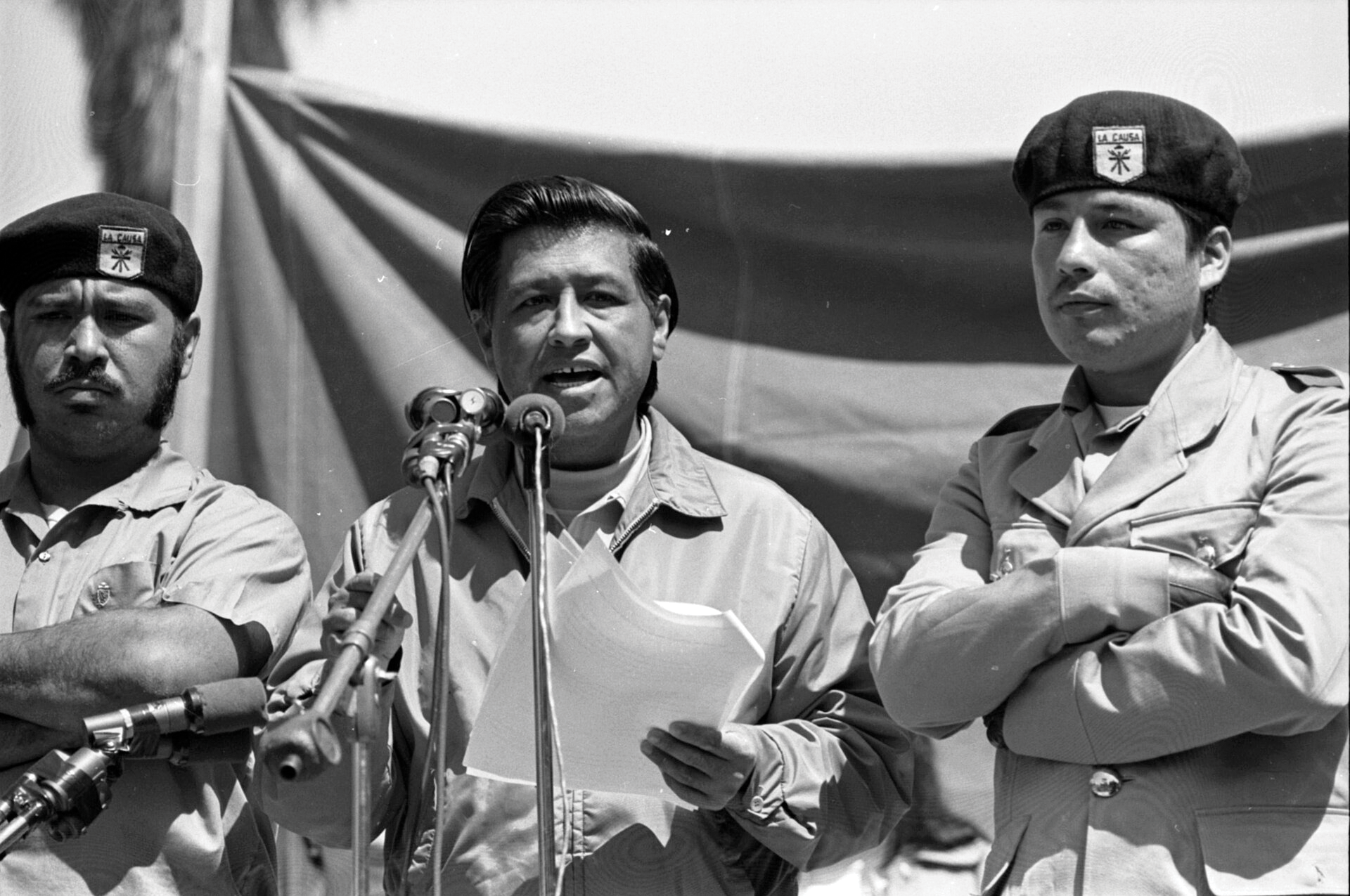
Following a recent investigation the New York Times (NYT) conducted on Cesar Chavez, multiple organizations and public figures have issued statements condemning his alleged actions. The celebrated labor leader — long seen as a symbol of farmworker resistance and dignity — is now under renewed and intensive scrutiny. This investigation doesn’t just call into question the legacy of an individual, but rather forces a broader reckoning with how movements choose to remember and protect their leaders.
Chavez, who cofounded the United Farm Workers (UFW) alongside Dolores Huerta and Larry Itliong, has been institutionally memorialized for decades. Cesar Chavez Day has been officially observed in California since 2001, following its establishment as a state holiday in 2000. In 2014, former President Barack Obama issued a proclamation recognizing March 31 as Cesar Chavez Day at the federal level. Since then, schools, public institutions and communities across the country have commemorated his legacy annually, reinforcing his status as a near-mythic leader in American Labor History.
However, as recent reporting has surfaced alleging that Chavez groomed and sexually abused girls within the movement, his legacy has now been fractured. In response, UFW announced on March 17, 2026, that it would cancel Cesar Chavez Day activities for the remainder of the month. The statement, while significant, remains brief, and raises the question: Is issuing a statement enough?
No.
This moment demands more than institutional distancing; it requires active, ongoing accountability. As a women-led organization, the UFW — and others with similar histories — must go beyond a simple symbolic gesture. While the statement already provided survivor support systems and hotlines for individuals to reach out to, there is more to be done.
They can embed regular worker check-ins within organizing spaces, whether through one-on-one conversations or during collective actions like picketing. Or simply put, they can require direct engagement with survivors, and in doing so, ask them what support looks like, what accountability requires and how the organization can actively support and show up for those who have been harmed.
Public response has been swift following the release of the NYT article. Organizations, schools and local governments have begun to condemn Chavez’s alleged actions, with some calling for a reevaluation of his legacy. These calls have extended to them making changes to holidays, monuments, public honors and even how Chavez is taught in curricula in middle and high schools. This past week, California renamed César Chavez Day to Farmworkers Day.
However, defenders of Chavez have pushed back against the claims of sexual assault, arguing that his contributions to labor rights should not be overshadowed. This tension is what sits at the center of the debate, but underlying this moment lies a deeper structural issue. History in the United States is often taught through individuals rather than movements and through this framework, heroization occurs. Leaders are elevated to statuses where they appear beyond critique.
Through this approach, harm is obscured and survivors are silenced. The narrative may become easier to teach and celebrate, but far harder to challenge.
This is not a phenomenon unique to Chavez. Figures like Mahatma Gandhi have similarly been revered while troubling aspects of their histories are minimized or ignored. The pattern is all too familiar: charisma and cause become shields, protecting individuals like Gandhi and Chavez from scrutiny. But no movement benefits from unquestionable loyalty. Real leadership requires accountability, not just blind solidarity — otherwise, it becomes complicity.
To move forward, the focus must shift. The value of a movement does not, and should not, rest on the moral infallibility of a singular leader. It lives and breathes through the collective: the workers, organizers and community members who built and sustained the fight for labor justice. Centering the collective movement also means centering those who were harmed by it and within it.
True accountability requires confronting uncomfortable truths. It means not sanitizing history for the sake of preserving iconic characters. One of the parts of being in a movement means telling the full story — not just the parts that are easy to celebrate or are neatly packaged for public consumption.