
President Donald Trump’s recent intensive review into alleged racial discrimination at three of the nation’s medical schools is far more than a federal policy at play — it’s a blatant pass over the very students that federal diversity, equity and inclusion (DEI) programs once promised to protect and uplift.
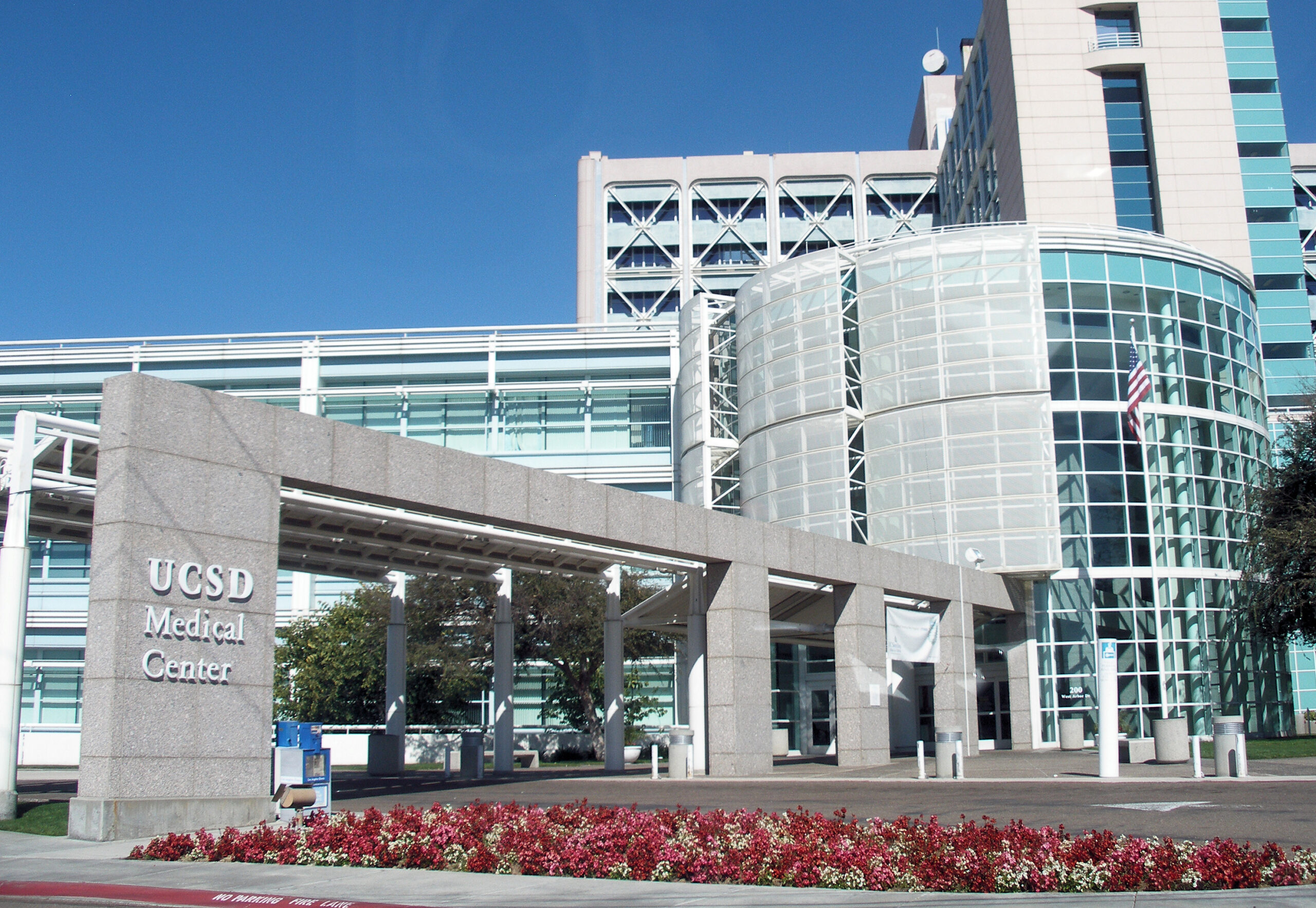
On March 25, 2026, the federal government opened an investigation and mandated the medical schools at Stanford University, University of California, San Diego and Ohio State University either hand over sensitive student admissions data or risk damaging cuts to their federal funding. The demand is framed as part of the administration’s efforts to determine whether these schools have racially discriminatory admissions practices.
The requested student data extends far beyond basic demographic data, including detailed and personal information such as students’ family income, Pell Grant eligibility, grade point average, parents’ education level, high school test scores, decision type — early or regular — and other financial aid data for every student admissions file on record since 2019.
The data would provide an intimate and violating look into students’ private lives, tracking every aspect of their lives and placing it right in the hands of the federal government in the name of a racial discrimination crackdown. The investigation is being sold to Americans as a pursuit of fair and equal opportunity in the nation’s educational institutions, but it is nothing more than a hidden political weapon that puts students’ mental, academic and professional well-being on the line.
On March 11, 2026, California Attorney General Rob Bonta sued the Trump administration over what he called a “fishing expedition,” exposing the cracks in the sociopolitical system and accentuating the ways in which federal oversight is weaponized to mute rather than amplify minority voices.
The warning signs of DEI’s rapid-fire decimation have long been apparent. The Feb. 14, 2025, Dear Colleague letter issued by the U.S. Department of Education’s Office for Civil Rights was one such warning that should have already been an eye-opener. Instead, Americans once again held onto their hopes and defeats alike as the federal government carried along, cautioning that any educational institutions using racial considerations in their admissions decisions will face the penalty of punitive federal funding cuts. In a follow-up Frequently Asked Questions document on March 1, 2025, came the clarification that DEI programs also cannot be used in any capacity as they supposedly show preferential treatment on a racial basis.
Since its introduction, DEI has carried the glaring promise of equity, protection and opportunity — seemingly a foot in the door and sustained support for those historically denied education — but these promises ring hollow in the present day. At minority-serving institutions especially, such as five of nine schools within the University of California system, the pressure on schools to hand over the data adds yet another strain to the daily struggle that minority students face relentlessly.
The Trump administration’s investigation has only served to underscore the nauseating reality that students are only numbers in the system, disposable for the next batch in the nation’s performative theater of political power plays.
In demanding inclusion, the push for DEI has become more exclusive and restrictive, allowing the lives of real individuals to be left at the mercy of federal policymakers who launch life-changing and irreversible investigations so easily, as if deciding what to eat for breakfast.
DEI’s death started far before the government’s investigation; it began when promises for student protection and educational advancement were reduced to performative and sensationalized formalities. Now, DEI’s legacy has mutated into its own Frankenstein-esque antithesis: fostering division, exclusion and intolerance.