For years, California’s gubernatorial races have functioned like franchise reboots, starring a high-budget protagonist with an ending often predictable. From the legendary return of Jerry Brown to the heroic “A-list” polish of Gavin Newsom, the path to the trophy has largely been paved by celebrity and brand recognition.
But 2026 indeed became the year California had been waiting for — the fallout of the celebrity takeover in state government. This instills a “pundit panic,” where the media lacks “celebrity” or “dynasty names” that they can shine all over the news for publicity. This time, California’s governor’s race is looking more legitimate, with a healthy competition between “non-celebrity” candidates or “A-listers,” forcing candidates to lead with policy rather than fame.
The era of the “all talk, no walk” politician is hitting a wall of voter exhaustion as the public shifts from this well-known political illusion to wanting more real life solutions. There is no obvious “hero versus villain” this time because even low-polling candidates refuse to leave the governor’s race, claiming they are more attuned to the “real California” outside of the Sacramento and San Francisco political bubbles.
This is good news for the public in Southern California, especially the Inland Empire, as residents can expect candidates to work harder to earn their name and recognition for the work they do and start from scratch instead of relying on fame or nepotism.
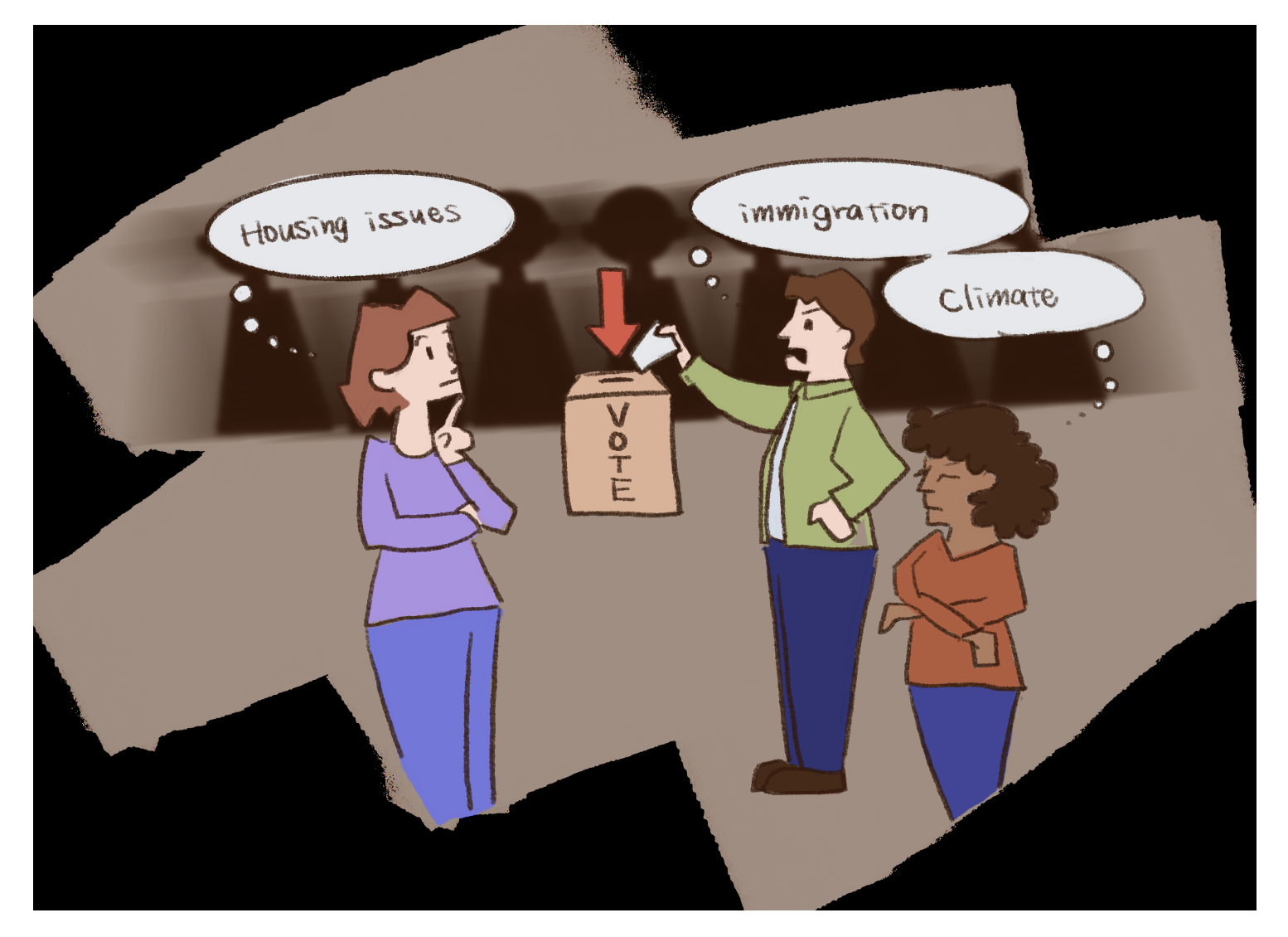
With this, the field is open to compete on each candidate’s true nature, targeting the working class who feel “voter disconnect,” particularly due to the collapsing home insurance market. Homeowners look up to the candidates to offer regulatory solutions as they see their premiums triple or their policies cancelled entirely.
Voters are no longer looking for a branded figurehead, but a real manager. Whereas elite candidates focus on the optics of state power, the current contenders are more inclined to address the price of housing and insurance tripling.
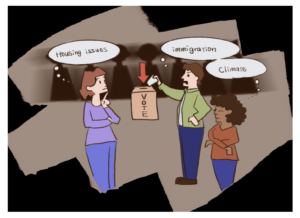
Honestly, this lack of brand name is giving birth to healthy competition, returning politics to representative ideas for the public. Politicians might start diving more deeply into issues they want to focus on in California overall, rather than centering around the big “political power hubs” in Northern California. This is the most compelling race in ages because the outcome isn’t destined.
This is what makes the 2026 race even more exciting as voters highlight traits that they want to see, rather than hoping that a politician carrying a “brand-name” will do them good. Voters will look forward to having a representative who can navigate the complexities of the state with a practical solution, rather than just a speech that they will forget when voted in.
On the other hand, some might argue that without an elite politician in the race, the voter turnout might decrease. This may be because there is no excitement about a celebrity brand that is attached to politics, making it less interesting for voters to find a person to connect with or “imagine a potential” for.
However, this might not be true. Voters may be more likely to support a competitive race without a high-profile figure overshadowing other candidates, as they may feel their voices are more likely to be heard. When candidates stop trying to be stars, they start thinking about problem-solving and representing the whole of California, addressing specific, local issues. This effort is what attracts voters, driving them to the polls in hopes that the housing crisis will be improved.
Therefore, the 2026 California governor’s race brings an end to “big name” political outcomes. California needed this healthy competition more than ever, rather than “media candy” that has become the norm in elections. It’s time to start addressing critical issues that Californians face, giving the daily life problems of locals a real solution.