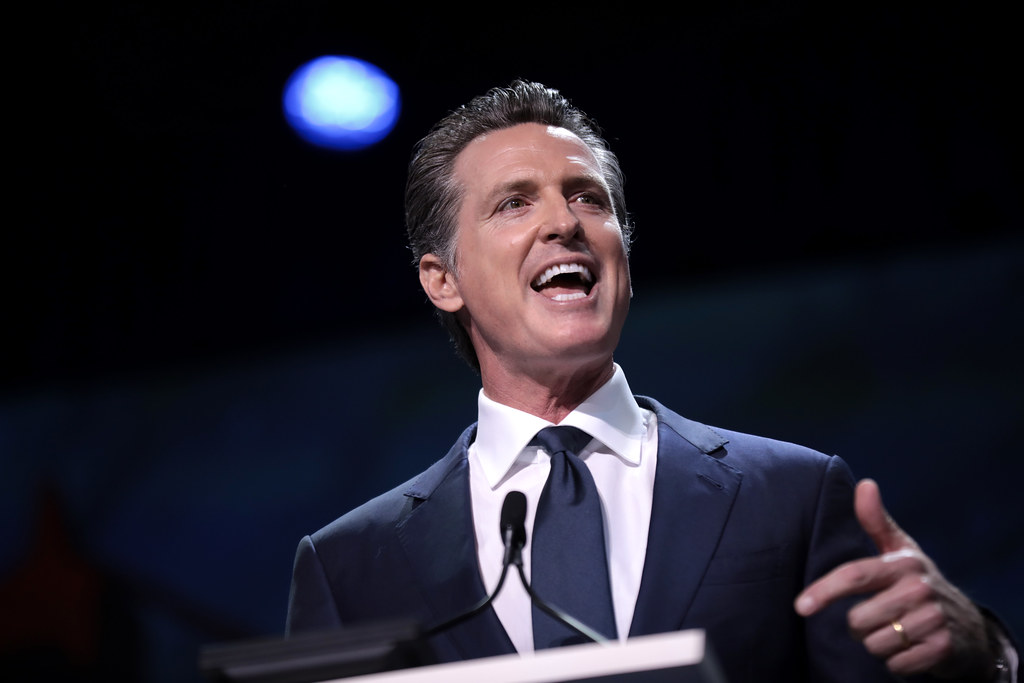
On Sept. 30, California Governor Gavin Newsom signed a series of bills aimed to protect workers from abuse by employers through methods involving artificial intelligence (AI). The bills had been pushed by several California labor unions, including the California Federation of Labor Unions (CFLU), an organization representing 2.3 million union workers statewide., due to concerns of job loss and workplace abuse related to AI technology.
CFLU President Lorena Gonzalez stated in a press release that the bills set a standard surrounding how AI should be regulated in the workplace and that, “California’s workers and our unions have changed the national narrative on how Americans can fight back and win against AI taking over our jobs and workplaces.”
The bills Newsom signed included SB-947, or Employment: automated decision systems, SB-951 or Employment: technological displacement: notice, AB-1331 or Workplace surveillance, AB-1883 or Workplace surveillance tools and AB-1979 or Health care services: artificial intelligence.
SB-947 prohibits employers from using AI to discipline or fire employees without human oversight and corroborating data. Alongside this, SB-951 mandates that employees be provided additional information regarding AI’s role in any layoffs. The law also directs California’s Employment Development Department to study the impact of AI on hiring decisions and the workforce.
The bills come as numerous surveys have found that more than 80% of employers in the U.S. and nearly all fortune 500 companies use AI in their hiring processes. This also follows the occurrence of lawsuits surrounding AI models impacting workers and job seekers such as Meta being sued in July by 26 former employees who were fired while on medical or parental leave when the company used AI to determine the layoffs of over 8,000 employees.
AB-1331 and AB-1883 are both designed to restrict employers from using AI tools to monitor their employees. AB-1331 prohibits AI tools from recording video and audio by flagging keywords said by employees related to performance, productivity and complaints. AB-1883 specifically addresses AI tools and makes it illegal for employers to use AI surveillance to infer the emotional state of a worker or collect their neural data.
AB-1979 requires clinics, physician’s offices or an office of group practices to take steps to ensure licensed healthcare professionals remain the final decision makers in healthcare and clinical practices. The bill does not prohibit AI systems from being used for documentation and communication not involving professional judgment.
The bills are set to take effect throughout California on Jan. 1, 2027. “AI should expand opportunity — not come at the expense of workers and families,” Newsom said in a statement, “As this technology reshapes the workplace, California is putting people at the center.”