
As the Cornell rape case dominates public conversation the overarching theme in common dialogue continues her violation. By only focusing on the violent act inflicted upon her without regard to how that act impacted her life and her personhood, we dishonor her story and betray her humanity. Circulating details of her perpetrators’ group chat messages in outrage and mass vocalization of disillusionment by the school’s handling of her case are at the forefront of the conversation. But I have yet to see nor hear any discussions about what it means to be raped. What it means to live with yourself for the rest of your life after complete and utter violation.
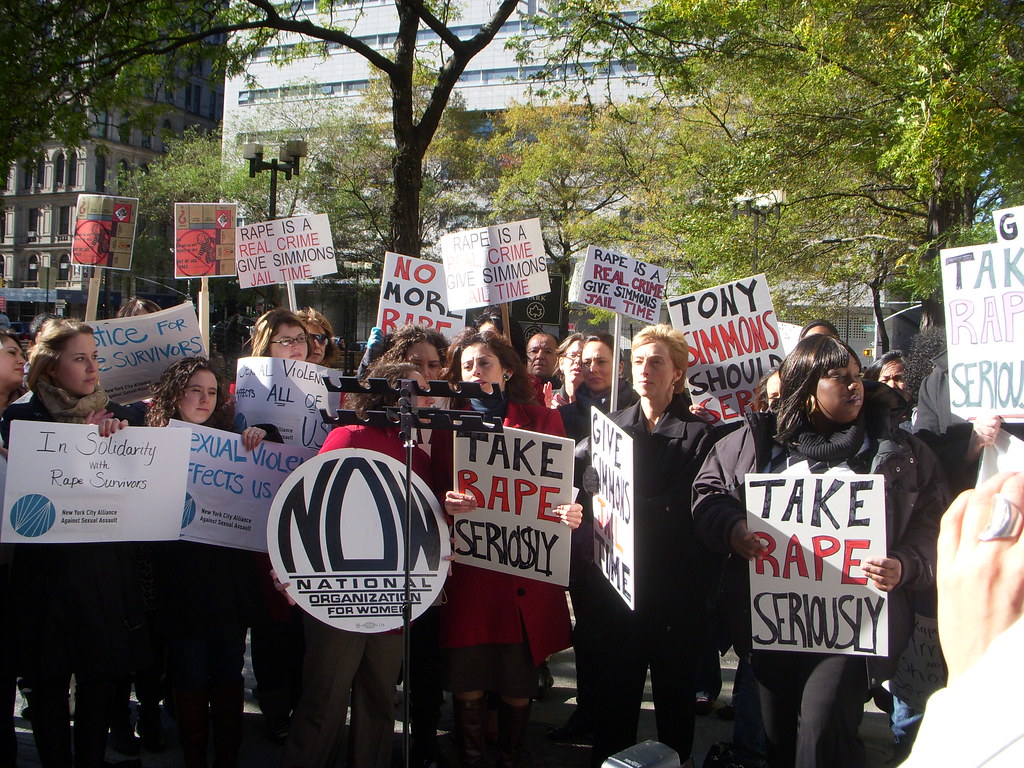
When we center the perpetrators and the act of her torture in our dialogues but brush over the ramifications survivors must deal with after, we deny Jane Doe her humanity. We limit her experience to that one night while neglecting the violence of everyday life that follows. To understand the severity of the Cornell case is to understand how her life was permanently altered after. We know that rape is violence, that its a crime in writing, that its treated as an evil. But what people don’t know, and what they seemingly look away from, is an understanding of what rape does to a person. And to understand the severity is to come to terms with how rape changes a person’s life. What is not spoken about is the financial cost of being raped, the friends who leave you and familial rejection because your story makes them uncomfortable, the communal shame you now bear, the psychological horror and grief of your trauma and torture being with you in every waking second and in every dream. For many survivors, that new reality forced upon us can be even more traumatic and haunting than the violent act itself.
Jane Doe had to leave Cornell University due to the severity of her psychological state. Jane Doe could not graduate anymore. Jane Doe’s tuition money probably now goes into paying for psychological treatment and legal fees. Jane Doe was not just raped, her whole life following was altered. Years of studying and college preparation to get into an Ivy League all amounted to nothing.
We as people with social and moral obligations must face that we cannot claim to understand the horrors of rape and the terrors of her story without coming to terms with the legacy of rape on a survivors personhood. What survivors need isn’t others’ fury, it’s care. We’re already angry. We’re already outraged and furious and pissed off. We don’t need another person’s anger when we’re consumed entirely by ours already. What survivors need is someone who will hold our hands, who will hear what our hearts need to let out before it collapses in on itself. What every Jane Doe needs is people to ask her “are you ok.” What we need is people who will sit by our side when our anger ebbs and the grief flows. I hope that those expressing their shock and rage about this case are just as present when the survivors in their lives need a shoulder to cry on. I hope those people ask “really, how are you?”
To stand with Jane Doe is to understand how much one night continues to take from her every day. And to be in solidarity with survivors is to center the loss of personhood that we live with every single day in the forefront of fighting rape culture.