
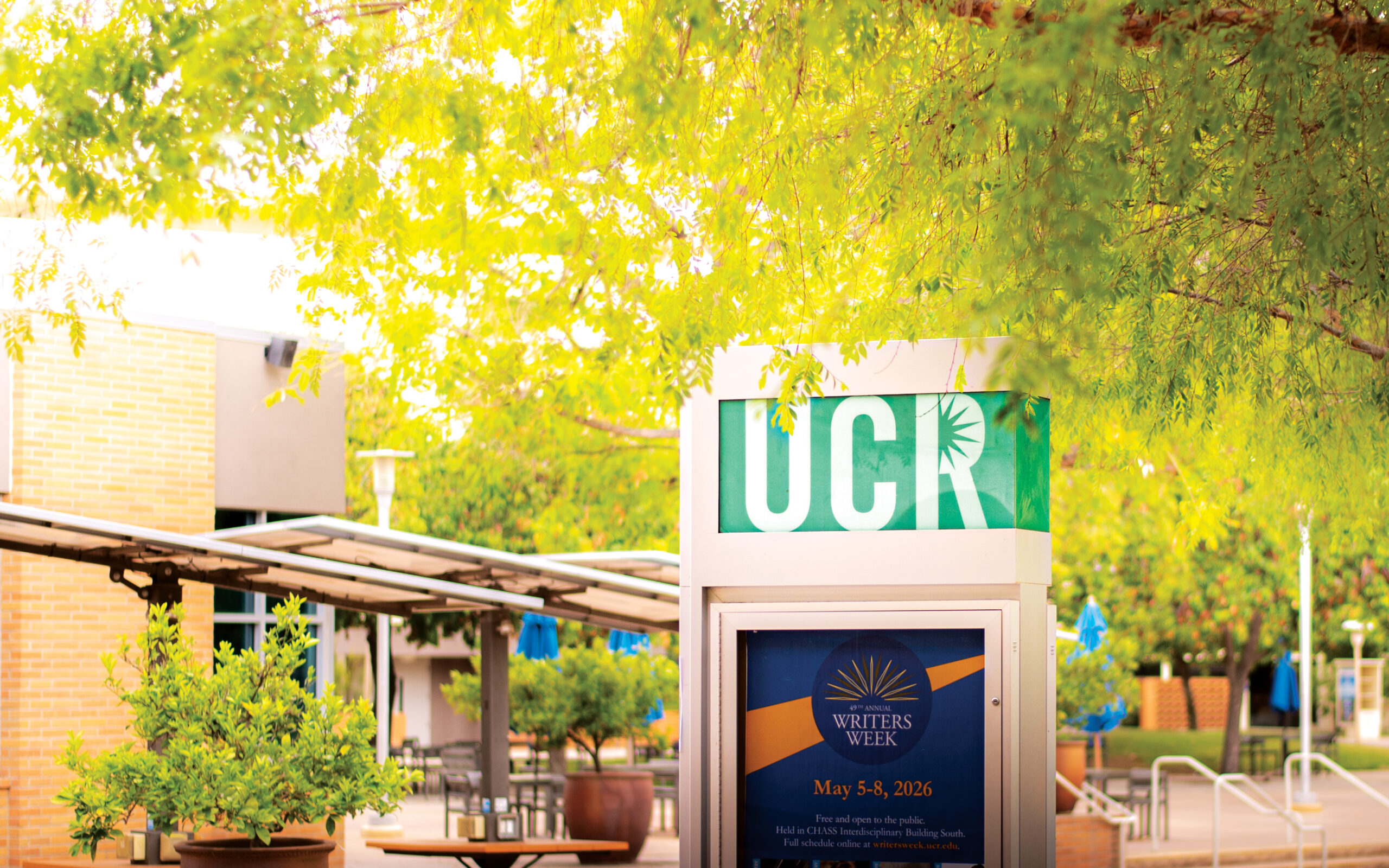
The University of California, Riverside (UCR) was not my first choice. However, attending made sense for several reasons: it is closer to home, more financially practical and part of the UC system. After meeting students in my first year, I soon realized many shared the same sentiment. We didn’t want to come here — we just wanted our degree.
Nevertheless, part of the reason I have chosen to stay at UCR rather than transfer is my hyperfixation on my postgraduate ambitions. As an aspiring corporate lawyer who ultimately plans to reside in New York, I consider how every organization I join will enhance my resumé or elevate my chances of getting into law school. I abandoned the idea of clubs being a place to find people with whom one might share similar interests; instead, I treated these extracurriculars as a way to make oneself seem more well-rounded or involved.
I realized that this future-driven mindset underpins the success and participation of many of these student organizations, as many of my peers share similar viewpoints and intentions. A major contributor to this mindset is the reality that UCR was not most students’ first choice. This constant forward thinking and perspective of Riverside as a transitional place have discouraged my peers and me from exploring community building at our college. Consequently, our sense of belonging falls short, creating a detached identity from this campus. 
Notably, many students are not joining clubs with the intention of making a profound lasting difference in the UCR community because many plan to move away or return home as soon as they graduate. These organizations’ leaders are usually there to enhance their resumés rather than for the clubs’ true purpose or values. They are there to increase their chances of getting a better job when they graduate and move away from Riverside.
Those who live close by see UCR as merely an extension of their previous community and thus fail to invest additional energy in joining on-campus organizations. Therefore, it is observed that students participate in clubs primarily for future opportunities and later career development, rather than building genuine long-term relationships with their peers. Furthermore, this lack of a shared connection with other students and lack of pride in being a Highlander further erodes a sense of passion and belonging here on this campus.
UCR’s location also significantly impacts campus life. I would much rather live back home in San Francisco or move to New York than stay in Riverside. Most of my friends have shared a similar sentiment by describing their lack of connection to the overall Riverside community as well. We have noticed that this area lacks exciting places and things to do compared to the larger, more favored city, Los Angeles. In fact, some of my favorite memories with my UCR friends are from our random excursions to Los Angeles.
Riverside also lacks the social atmosphere associated with college towns. There are few fun hangout spots, limited nightlife options and concerns related to homelessness and safety. The Farm House Collective offers a dependable and enjoyable place to hang out. But with that being said, everyone else thinks so too, making it usually packed while it continues to gain popularity.
Soon enough, it will probably be overcrowded with locals and students due to the lack of other social hangout spots outside of one’s home and workplace. Overall, Riverside’s poor quality of life has led to a hollow sense of community, leaving UCR students feeling even more detached from campus pride.
However, I don’t think viewing Riverside as a transitional place is necessarily a bad thing. Although it may make campus culture a little lackluster and make students feel less of a sense of belonging, perhaps it is good that they don’t get too attached to “college life.” After all, college is widely perceived to be a transitional phase in which students prepare to navigate adulthood and find stable jobs.
In that regard, college shouldn’t be about forever representing one’s institution; maybe it should be treated as simply the place that prepares students for the real world. In fact, a strong attachment to one’s college can lead to a lack of professional focus after graduation, as some graduates try to relive their “best years” from college during a time meant for professional development.
I view Riverside as a temporary, transitional place before I move to New York. My time at this place feels short and ultimately irrelevant compared to my life after completing my undergraduate studies. However, college is inherently impermanent, so perhaps it is reasonable to see Riverside solely as a developmental stage rather than a lifelong source of pride for students.
However, viewing Riverside as a temporary place undeniably makes campus culture less vibrant and reduces students’ overall sense of belonging.