 You don’t have enough time to figure this out on your own.
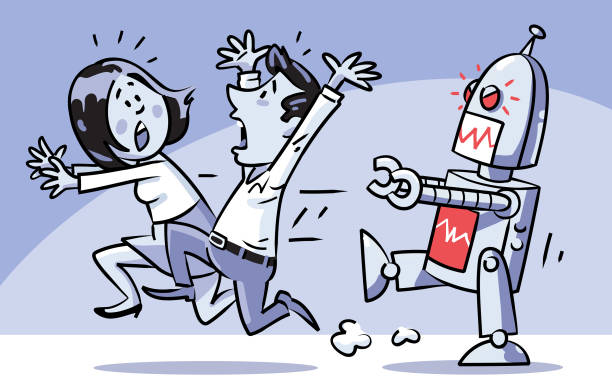
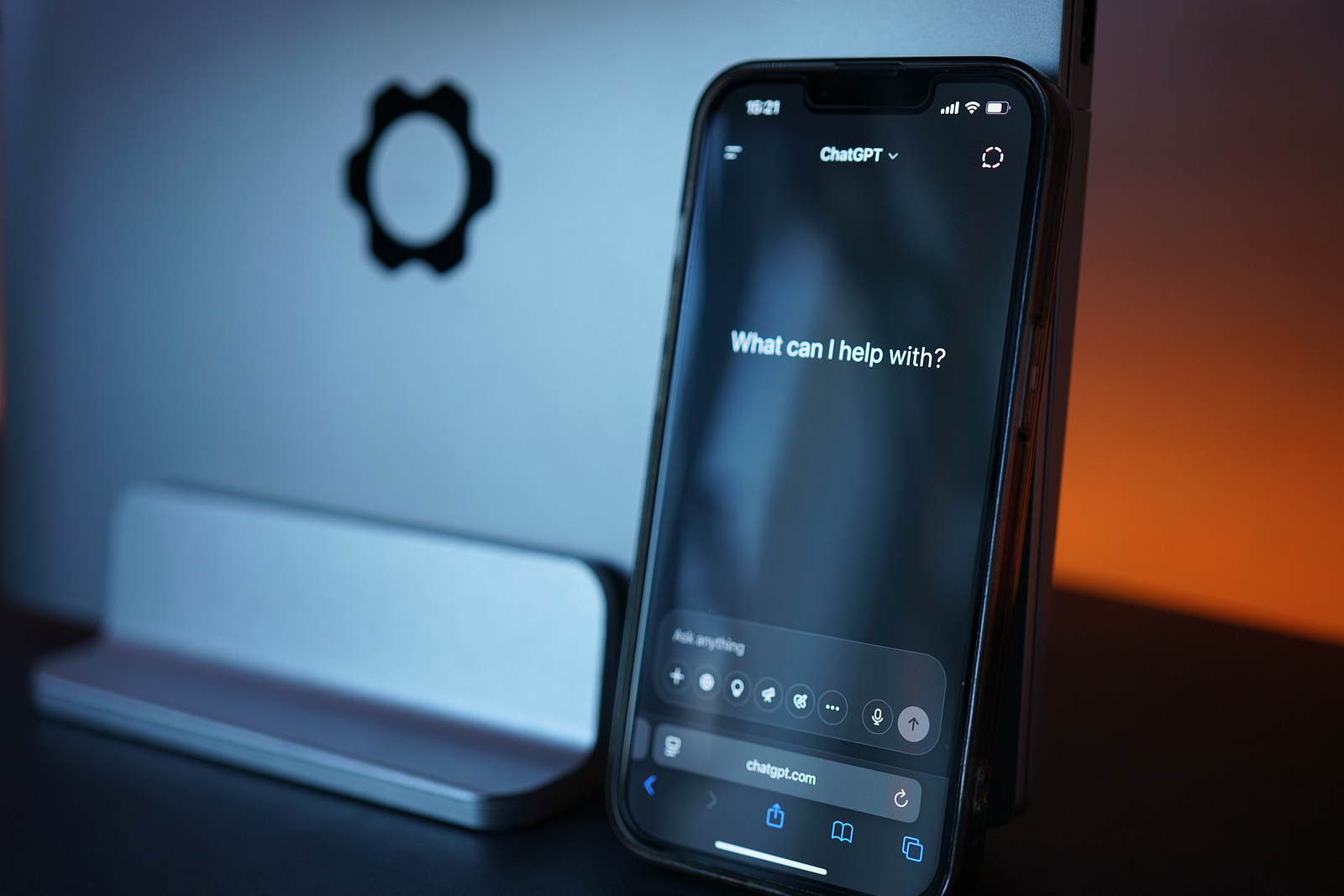
As a Creative Writing major and a university writing tutor who spends hours guiding students through the agonizing, rewarding process of drafting, I recognize that voice immediately. It is the sound of modern panic. Whenever a complex creative hurdle looms over me, or a dense writing assignment demands answers I feel completely unequipped to find, self-doubt takes over instantly. I freeze the moment I open those documents, convinced I lack the analytical wiring needed to break through the wall. In those moments, when a deadline is breathing down my neck, the temptation to turn to artificial intelligence feels like reaching for a life raft. The promise is subtle and persuasive: why suffer through three hours of second-guessing yourself when a machine can hand you a polished, acceptable, grade-A answer in six seconds?
I have felt that pull. I have hovered over the tab, wondering what it would cost to just grab the lifeline and finally get some sleep.
It laid bare a quiet truth: our growing obsession with artificial intelligence stems directly from a cultural cowardice in the face of uncertainty.
I watch writers paralyze themselves at their desks out of a dread of making mistakes, moving at a crawl, or producing anything less than pristine. Above all, I see how deeply unnerved we are by the unknown.
Modern academic and corporate culture treats speed as a moral virtue and perfection as a baseline requirement. Across corporate workspaces, classrooms, and creative industries, the demand remains identical: produce high-quality output immediately, submit it, and scramble onto the next task. Workplace speedups have bled out of offices and infected daily life, leaving zero room for the disorienting, necessary phase of not knowing.
As a writing tutor, I see this anxiety cripple writers every day. Students often come to my sessions apologizing for their messy drafts, as if an unpolished sentence is a moral failing. They want an automated fix. But human instruction is radically different from AI instruction. When I work with a student, I don’t hand them a pre-packaged, flawless paragraph. I sit with them in the discomfort of not knowing. We ask hard questions, sit through the mess, and wait out the silence until a real thought finally claws its way to the surface.
An algorithm does the exact opposite. It offers a painless exit, and erases the waiting period between the question and the answer.
In an 1817 letter, the Romantic poet John Keats named the exact quality I see us systematically destroying: Negative Capability. He defined it as the capacity of being in uncertainties, mysteries and doubts without any irritable reaching after fact and reason. Keats understood that true insight can only come from staying in the dark long enough for your eyes to adjust. A poem needs space to breathe; an essay requires awkward, half-formed thoughts before a central truth takes shape. Wonder requires confusion. Invention requires feeling completely lost.
AI has become my generation’s ultimate mechanism for irritable reaching. It kills the dark room before I even have a chance to look around. The second a line stalls or a scene gets tangled, the temptation to purchase immediate resolution creeps in. I refuse to trade the grueling path toward discovery for a neat, artificial consensus that bypasses the vulnerability making the work meaningful.
When I look at how quickly we surrender our own thinking to save a little time, I see an active defeat. If I turn to AI, I retrain myself to believe that a thought lacking instant clarity holds no value, conditioning my mind to view cognitive friction as a system failure.
Outsourcing the struggle guarantees outsourcing the breakthrough. A machine can generate a competent synthesis of everything already said online, yet it will forever lack the capacity to experience the subtle thrill of piecing together a truth out of its own confusion.