
Losing ticket wars, artists becoming popular on social media, knowing that song before everyone else and people not knowing all the lyrics: the death of being a casual fan. It is difficult to be a casual fan of any artist because many people feel entitled to the label of “fan” if they have known the artist longer than the average person. Being a fan of a song and not the artist is a conversation that has become increasingly popular with the usage of social media and how music is now a central part of the social media landscape. Being a casual fan is a thing of the past, nowadays the only options are to be a fake fan or a stan, but being a casual fan is not a bad thing.
Being exposed to music is something that almost everyone has experienced. From parents playing their babies’ lullabies to being surrounded by cultural music played at family gatherings to dancing to a song at a party, music is something constant in our day-to-day lives. With the rise of gatekeeping, wanting to be niche and the fear of being performative, it feels like no one can say they like an artist without someone challenging their knowledge of the artist.
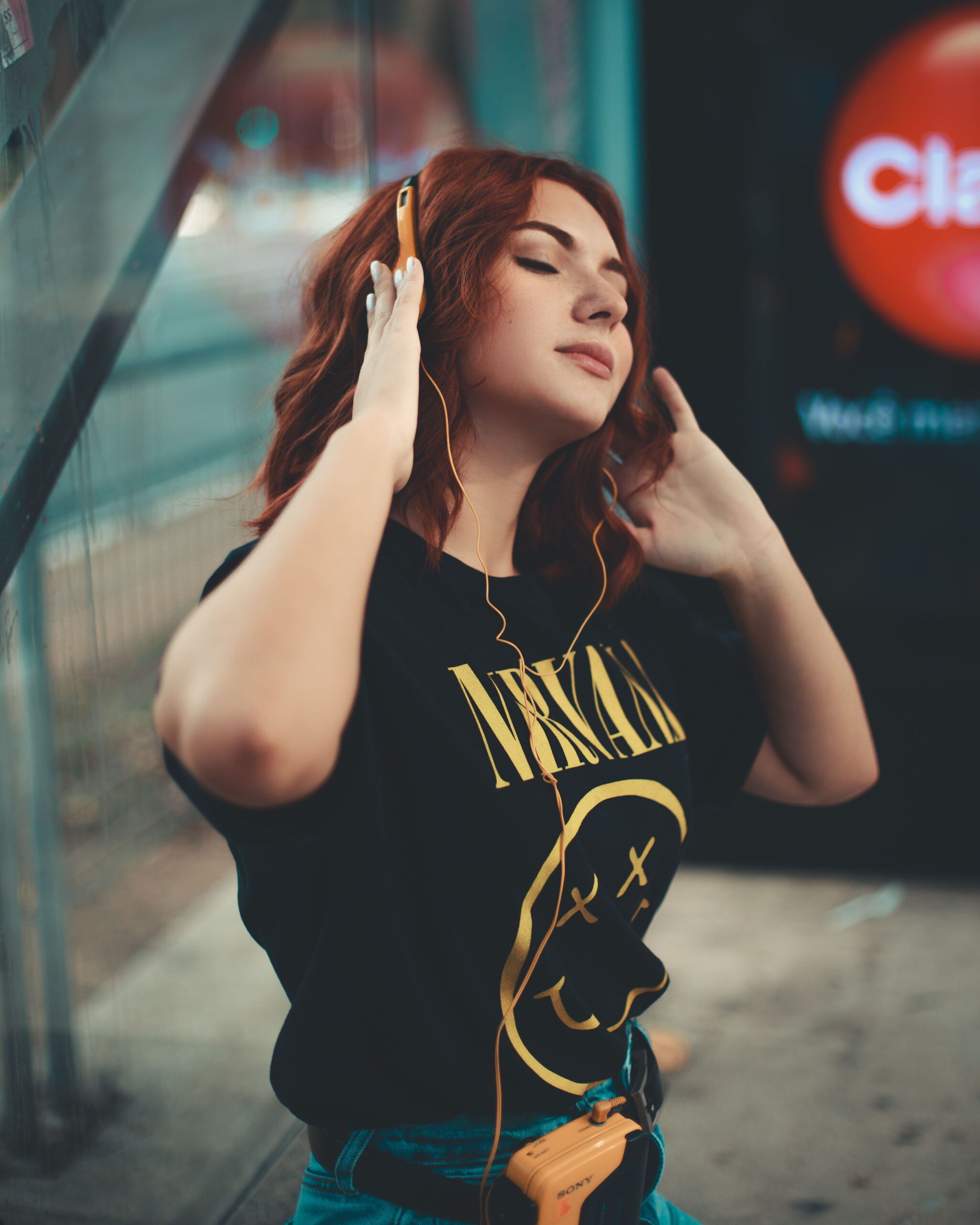
Many artists have opposed the idea of gatekeeping because although curating a community is important, music is the way that they make money to sustain themselves and also how they live. Music is not only for pleasure but also their job. Gatekeeping has been an especially popular term online recently not only in relation to music but also film, fashion, TV shows and books because having good taste and wanting to be superior to others has become the ultimate goal.
Being a casual fan is not something that anyone wants to do anymore because it has become synonymous with being a fake fan. Not immediately recognizing an unpopular song from an artist that may have been put out years ago at the beginning of their career can label someone as a fake fan, when in reality they might just listen to their music casually.
The word “niche” has skyrocketed in popularity due to the idea of wanting to be different from everyone else. In other words, finding a small community with like-minded ideas is something that almost everyone wants to achieve because it allows a sense of comfortability and a similar exchange of ideas. Although in theory this is a good practice, being surrounded by people that agree with one another all the time allows no room for growth or learning new things. It stunts learning about new music and does not allow for experimentation.
This conversation is synonymous with the rise in TikTok popularity and the exposure to many different kinds of music specifically in teenagers and young adults. Since the app requires every single video to either have a spoken voice or a snippet of music in the background, different kinds of music constantly rise and fall in popularity. Because of this many different artists that were once seen as niche have become mainstream, and in turn their fans have also been labeled as mainstream listeners. Wanting to be completely different from everyone else in every aspect of living has also made the casual listening experience harder because of the pursuit of individuality.
Being performative is when someone wants to appease a specific group of people without fully immersing themselves in the music culture. They are labeled as being performative because their intentions aren’t to learn about the music genre or culture behind it but just listen to one or two songs to try to fit in a certain community of people. In some situations, it is appropriate to call someone performative because some music cultures are tied into specific ways of life. For example punk music was utilized not only to create a new genre of music in the 60’s besides rock, but also to be political activists and speak out against corrupt governments.
Music taste is subjective. Not everyone is going to enjoy hyperpop and midwest emo music at the same time and that’s okay. Everyone is entitled to their own music opinion, but no one should be policing others music taste. Anyone should be able to express their interests and disinterests regardless of what others think of a specific music genre. Being a casual fan is a dying term that is quickly becoming replaced with the term fake fan. It is alright to not know an artist’s entire discography and it is alright to like popular music. Music is meant to be enjoyed and shared, it is supposed to create community even if the community starts off small and then becomes big.